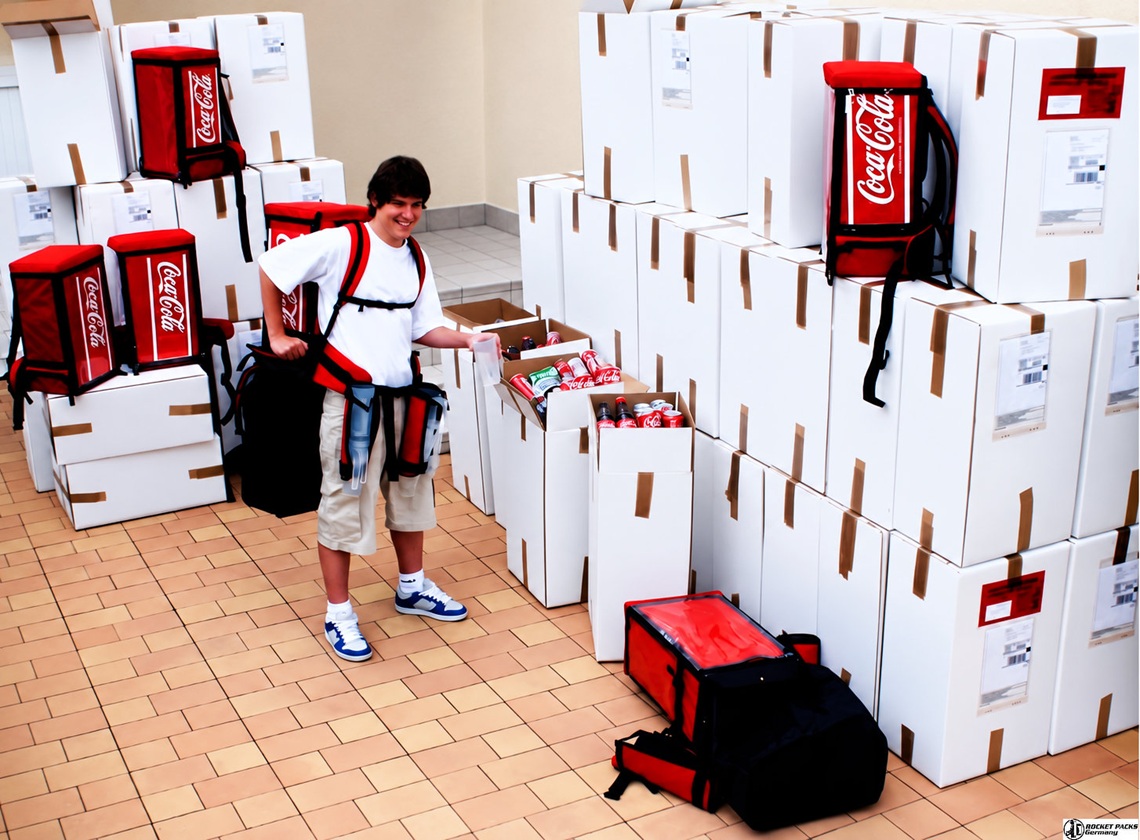
What does manufacturer-direct supply mean in practical terms?
Manufacturer-direct supply means that product selection, technical clarification, assembly coordination and final inspection are handled by the company responsible for the equipment. Questions do not have to pass through an unrelated marketplace or general reseller.
It does not mean that every raw material, buckle, textile or plastic component is produced in one building. Professional equipment normally combines parts from specialized suppliers with model-specific assembly and quality control.
Which production activities are managed by Rocketpacks?
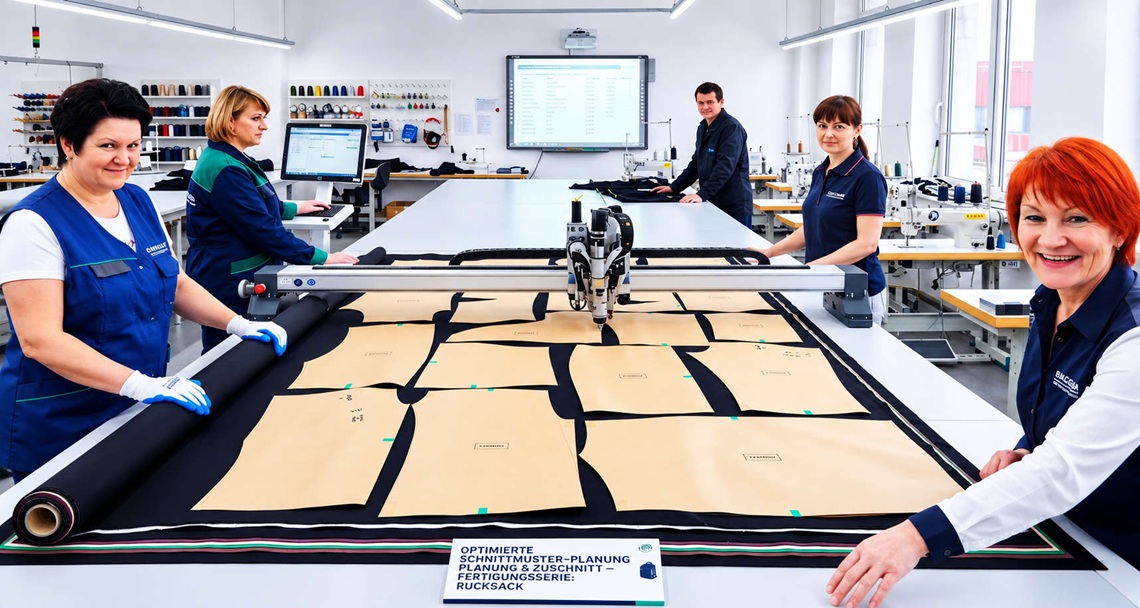
Rocketpacks develops mobile selling systems, defines model configurations, sources the required components and prepares finished units for professional use. The company operates from Frankfurt am Main, Germany, where project coordination and product inspection are carried out.
The exact workflow depends on the model and order quantity. Standard equipment follows an established configuration, while project-specific versions require additional clarification and approval steps.
Why is a technical project brief required before production starts?
A vendor tray must match the goods, the person carrying it and the operating environment. The brief therefore records product dimensions, individual weights, temperature requirements, route conditions, accessories and branding expectations.
Without these details, a visually suitable tray may have the wrong insert, insufficient access or an impractical load distribution. Production should begin only after the intended use is technically understandable.
How is a standard model different from a custom configuration?
A standard model uses an existing construction, established materials and a defined basic equipment package. It can still receive suitable accessories or exchangeable advertising inserts.
A custom configuration changes more substantial elements such as compartment layout, colour combination, attachment points or application-specific fittings. These changes require a feasibility review and may affect minimum quantities, price and lead time.
When is an original product sample useful during development?
A physical sample is valuable when packaging is unusual, fragile, tapered or difficult to describe with simple measurements. It allows the team to evaluate fit, access, movement and the need for a special divider or inlay.
For ordinary rectangular packs, exact dimensions may be sufficient. Circular holders and premium presentation inserts should not be approved solely from nominal filling volume.
How is a first reference unit used before a larger series?
A reference unit establishes the approved combination of body, harness, internal organization, accessories and visible branding areas. The customer can review the practical arrangement before the remaining units are prepared.
Any required correction should be documented at this stage. Once series assembly has started, late changes can create mixed versions and additional material or labour costs.
What information belongs in a production approval?
The approval should identify the selected model, quantity, material or colour choices, accessory list, insert layout and artwork status. Delivery destination and required completion date also belong in the same record.
- Product designation and approved revision
- Number of units
- Harness and internal equipment
- Branding method and artwork dimensions
- Special fittings or customer-supplied components
- Packaging and delivery requirements
- Name and date of the approving contact
A clear approval prevents different departments from working with conflicting instructions.
How are supplier components controlled before final assembly?
Incoming parts must correspond to the required type, quantity and visible condition. Components that affect fit or function are checked against the model specification before they are installed.
A supplier label alone is not a substitute for inspection. Buckles, straps, panels, inserts and fittings must work together in the finished system.
Which material properties matter most for commercial vendor trays?
The relevant properties depend on the application. Rigid plastic can provide a stable, easy-to-wipe body, while coated textile materials allow flexible pockets, covers and lighter shapes.
Insulated constructions need suitable layers and controlled openings. Harness components require secure stitching or attachment points. No single material is automatically best for every sales, food or sampling task.
What is inspected in the carrying system?
Inspection covers straps, adjusters, padding, buckles and the points connecting the harness to the tray. The system should adjust correctly and hold the body in the intended position.
This check confirms assembly and function; it does not create a universal carrying time. Actual comfort still depends on load, staff build, walking route and break planning.
How are structural parts and fittings checked?
Panels, seams, fasteners, hinges, zippers and removable fittings are examined for correct position and secure attachment. Moving parts should operate without unnecessary force or interference from neighbouring components.
Edges and projecting elements are also reviewed because professional trays are used close to visitors, seats and event structures.
How is internal organization verified?
Dividers, circular inserts and presentation supports are checked for position and stability. They should remain in place when the tray is carried and still permit the planned product to be removed without avoidable obstruction.
For customer-specific goods, the final check should use the confirmed dimensions or an agreed sample. An empty compartment cannot prove that a real package will fit correctly.
What does final functional inspection include?
The finished unit is reviewed as a complete system rather than as separate parts. Harness adjustment, closures, removable accessories, advertising pockets and ordered fittings are checked together.
The inspection also confirms that the configuration matches the order. A technically sound tray would still be incorrect if it contained the wrong insert or omitted an approved accessory.
Why are exaggerated payload and shift-duration claims avoided?
A tray may be structurally strong, but a suitable operating load cannot be stated without considering the goods and the person. Ten litres of lightweight samples and ten litres of bottled beverages create very different physical demands.
Likewise, a padded harness does not guarantee fatigue-free work for a fixed number of hours. A real load test and an appropriate rotation plan provide more useful guidance than a universal marketing figure.
How are production changes controlled after an order has been released?
A requested change is compared with the approved version and identified as a new revision. The team then checks whether materials have already been ordered or units have entered assembly.
Price and schedule consequences should be confirmed before the change is implemented. Informal instructions in separate messages can otherwise produce inconsistent results.
What happens if a component becomes unavailable?
The manufacturer should first determine whether the unavailable part affects appearance, compatibility or safety. A substitute is not used automatically just because it appears similar.
If an alternative is technically acceptable, the difference and its impact are communicated for approval. Where no suitable replacement exists, the delivery plan may need to be revised.
Why is transport packaging part of production quality?
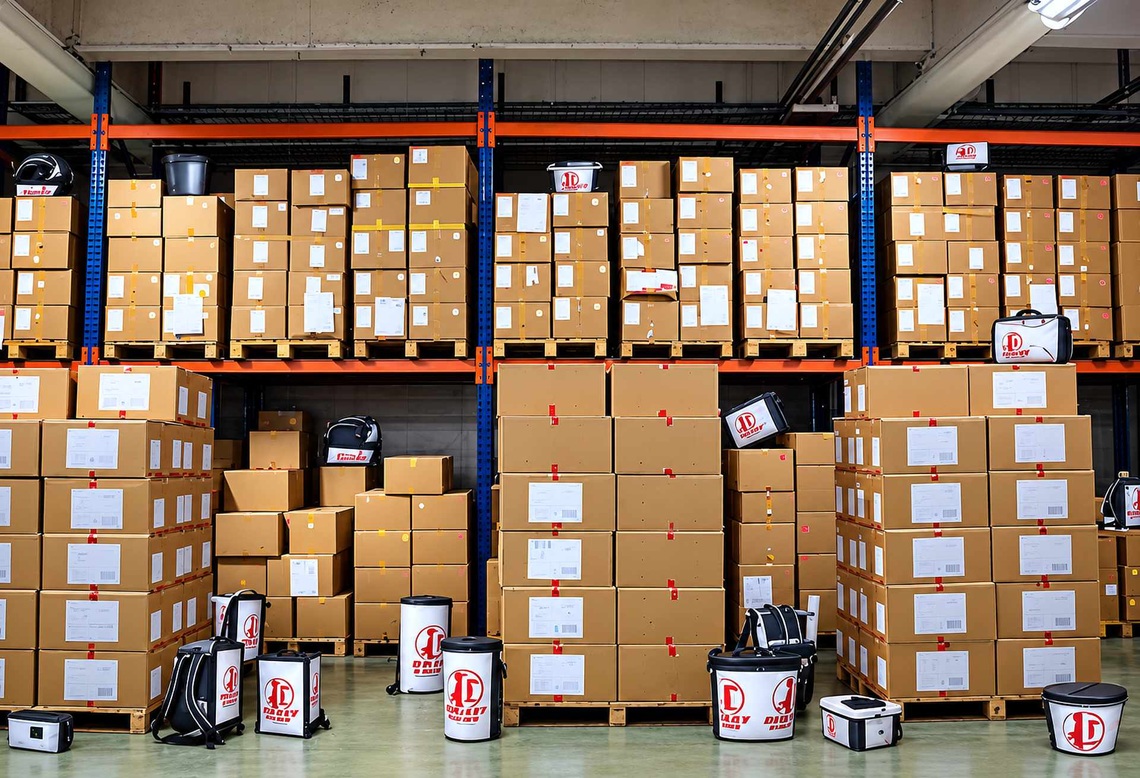
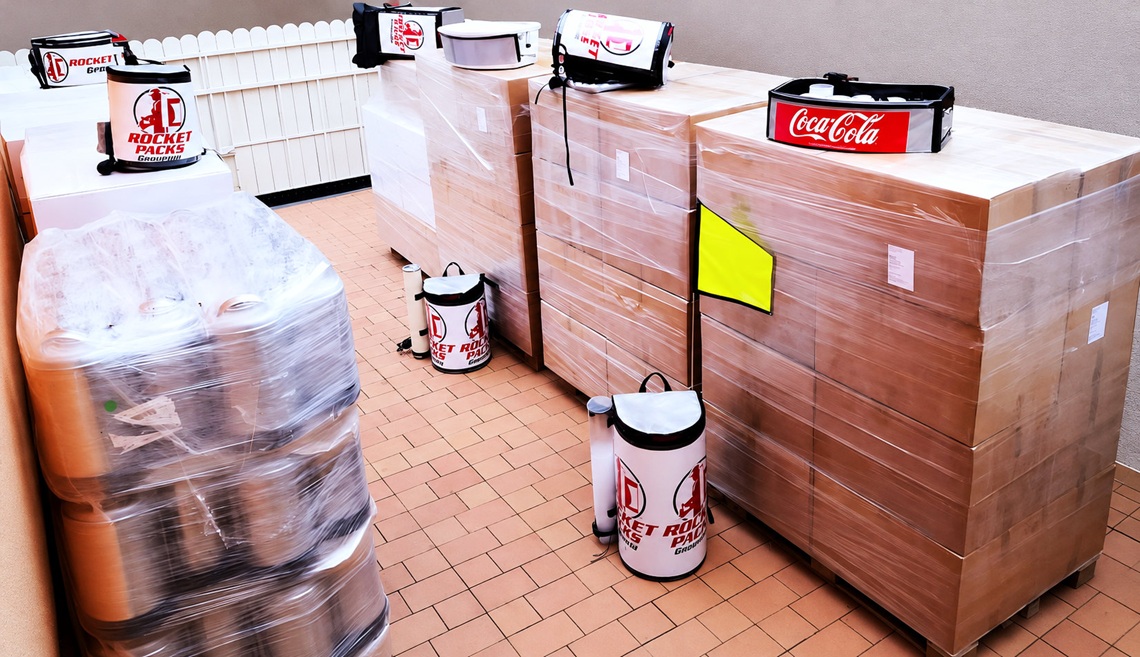
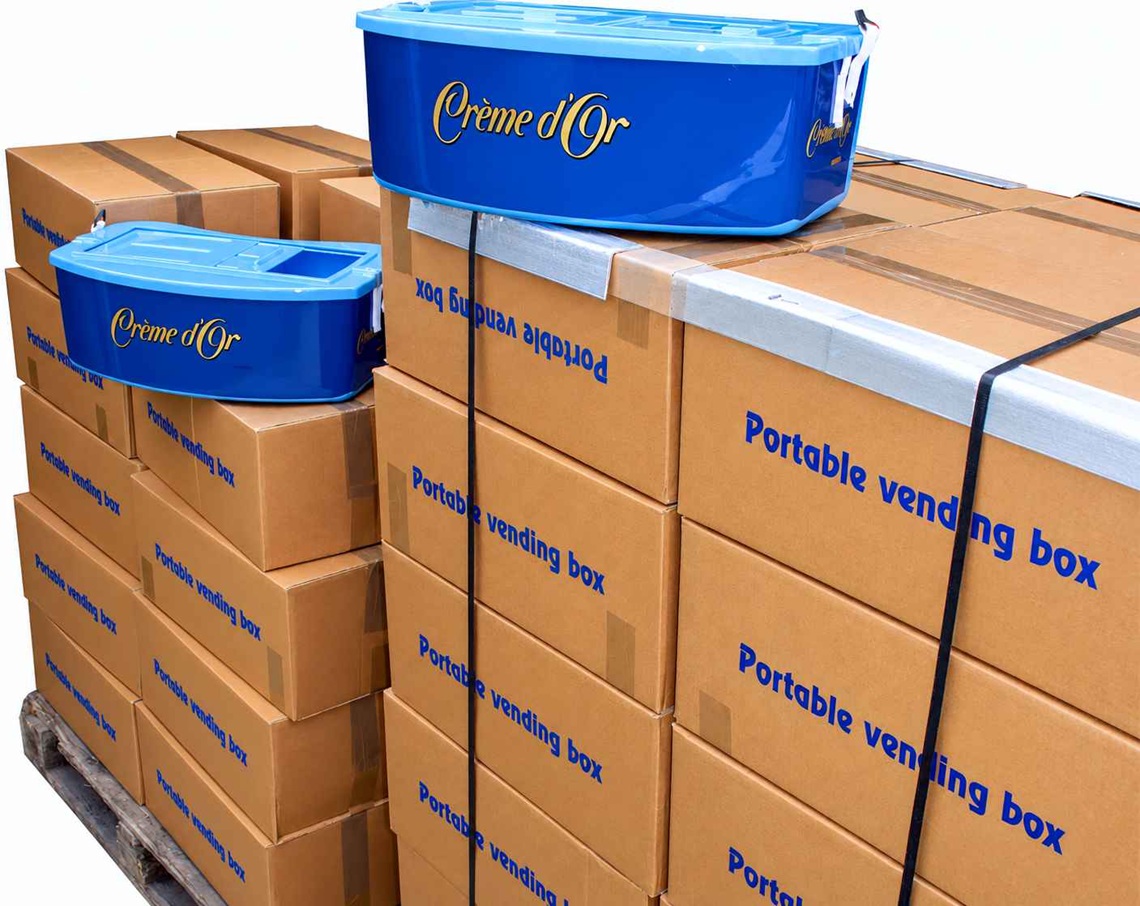
A completed vendor tray contains cavities, external attachments and removable accessories that can move during transit. Packaging must prevent crushing, abrasion and uncontrolled impact inside the carton.
For larger quantities, the arrangement of individual cartons and pallets also matters. A product that leaves inspection correctly should arrive without transport damage caused by unsuitable packing.
How are spare parts and later service requests identified?
Support is easier when the customer provides the model name, approximate purchase date, order reference and clear photographs of the affected component. Measurements may be required where several versions exist.
Replaceable accessories are available for numerous product systems, but compatibility must be confirmed. A visually similar strap, insert or fitting is not automatically interchangeable.
How should international projects be prepared for dispatch?
The file should contain the full consignee address, contact person, shipment quantity, delivery term and any information required for export or import documentation. Packaging dimensions and weights are established after the final configuration is known.
Local duties, import taxes and customs procedures depend on the destination. DAP or DDP arrangements must be stated in the quotation rather than assumed from a general worldwide-shipping statement.
Which details allow the manufacturer to assess a new project efficiently?
A useful enquiry connects the commercial objective with measurable product and logistics data.
- Goods to be carried, including dimensions and unit weights
- Target quantity per sales or sampling round
- Ambient, chilled, frozen or warm application
- Indoor or outdoor operating conditions
- Required dividers, inlays, pockets and harness type
- Branding concept and desired colour treatment
- Pilot quantity and possible later series volume
- Destination, approval deadline and required delivery date
These details make it possible to distinguish between an available standard model, a modified configuration and a request that would require a new development.