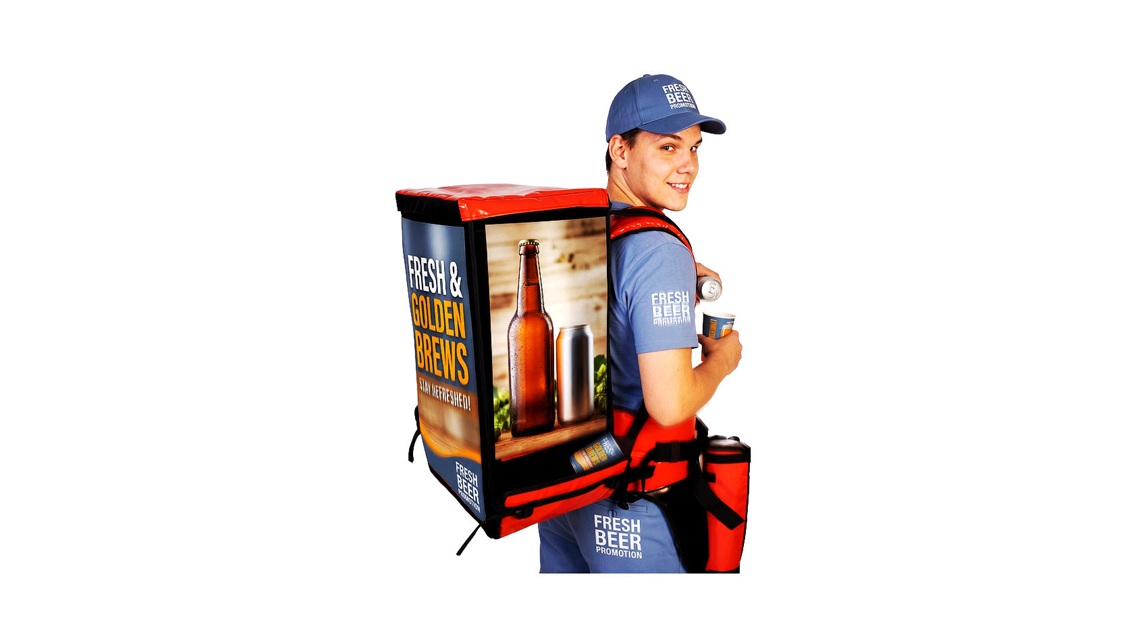
Which document should be treated as the primary instruction for a specific tray?
The model-specific manual, current quotation and confirmed configuration should take priority over general website guidance. A broad user-manual page can explain common principles, but different trays may use different shells, harnesses, inserts, lids and attachment methods.
Before training staff, the operator should match the model reference on the equipment or order documents with the applicable instructions.
Why should the delivered configuration be recorded before first use?
A simple as-delivered record establishes which tray body, carrying system, inserts, dividers and advertising components were supplied. Photographs can show the original routing of straps and the position of removable parts.
This reference is useful after cleaning, storage or accessory changes. It also helps technical support distinguish the supplied version from later modifications.
What belongs in a first-use commissioning check?
Commissioning confirms that the equipment is complete, correctly assembled and suitable for the planned products before it enters a public area.
- Confirm the model and ordered accessories
- Inspect the body, base and carrying attachments
- Check buckles, clips and strap adjustment
- Fit dividers or inserts in their intended positions
- Test the lid, pockets and advertising components
- Load representative products and verify balance
- Complete a short controlled walking test
- Record any deviation before operational release
The first public event should not be used as the initial assembly test.
How should general construction statements on the webpage be interpreted?
The page discusses materials such as dense plastics, reinforced boards and textile carrying components as examples of professional construction. These descriptions should not be assumed to apply identically to every model.
The current product specification should confirm the materials and structure of the purchased tray. Cleaning, repair and spare-part decisions depend on the actual version.
Why is model identification important when ordering replacement parts?
Buckles, straps, inserts and lids can appear similar while differing in dimensions or attachment details. A photograph alone may not establish compatibility.
A replacement request should include the order reference, model code, approximate purchase date and clear images of both the complete tray and the affected component.
How should the carrying system be adjusted for a new operator?
The empty tray is positioned first, after which the intended working load is added and the fit is checked again. The system should sit level, close to the body and at a height that allows the wearer to see the route and reach the products.
Adjustment is individual. Settings should not be copied from another employee without a separate fitting and walking test.
What should be checked after the first loaded walking test?
The supervisor should look for swinging, tilting, strap slippage, pressure points and movement of the goods. Turning, stopping and removing one product should be included.
When the tray changes position during the test, the load plan or harness setting should be corrected before a longer route is attempted.
How is a safe load plan documented?
The load plan should identify the product, quantity, unit weight, compartment and starting total. Dense goods are generally positioned closer to the wearer and distributed so that one side does not carry most of the mass.
The plan should also consider the partly depleted tray. Balance can change when one popular product sells faster than the rest.
Where can the permitted load for a particular model be found?
The webpage advises users to observe the maximum capacity specified for the model. The applicable value should therefore be taken from the current model documentation or written confirmation from the manufacturer.
Interior volume is not the same as a permissible working load. Products, cooling media, payment equipment and accessories all contribute to the total carried mass.
Why should users avoid tightening structural fasteners without model-specific instructions?
The page refers generally to checking fastening elements, but tightening requirements depend on the component, material and fastener type. Excessive force can damage plastic, coated board or threaded fittings.
Loose or questionable structural connections should be photographed and referred for technical assessment. An assumed torque value should not be invented on site.
What should a routine pre-use inspection cover?
The check should focus on components whose failure could affect carrying, product retention or public safety. This includes attachment points, straps, clips, buckles, body panels, lids, dividers and inserts.
The interior must also be clean, dry and free from loose objects. Any unit with a damaged load-bearing connection should be withheld from service.
How often should the equipment receive a documented condition review?
A brief check belongs before each use, while a more detailed review can be scheduled according to frequency, load and operating environment. Equipment used daily in stadiums needs a different interval from a tray used occasionally for indoor sampling.
The organisation should define its own inspection frequency and keep a record of findings, repairs and returned-to-service approval.
How should cleaning instructions be selected for different materials?
The cleaning method must match the actual plastic, coated textile, board, padding and printed surfaces. A product safe for one non-porous shell may damage adhesive, foam, artwork or a protective coating elsewhere.
Use a mild, suitable method unless the model instructions specify otherwise. New cleaning agents should be tested on a concealed area before wider use.
Why should disinfectant or antimicrobial products not be chosen from a generic claim alone?
A chemical must be suitable for the tray material, the carried product and the operator’s hygiene procedure. Concentration, contact time and removal requirements come from the chemical manufacturer and applicable food-safety rules.
The website’s general maintenance language does not authorise every sanitising product. Incorrect use can leave residue or damage the equipment.
What maintenance is required for textile straps and padded sections?
Straps should be checked for cuts, fraying, stretched stitching, damaged adjustment hardware and contamination. Padding must remain securely attached and should dry completely after cleaning.
Textile parts should not be stored compressed while wet. Heat or aggressive chemicals can alter fibres and should be avoided unless specifically approved.
How should coated or board-based components be monitored?
Edges, joints and surfaces should be inspected for swelling, separation, cracking or damage to the protective finish. Moisture entry can change shape and weaken attachment areas.
A compromised coating should be assessed before the tray is washed again or loaded. Covering the damage with an improvised film does not restore the original structure.
What should happen when a defect is found during an event?
The tray should be unloaded in a controlled area and marked as unavailable. The team records the defect, operating conditions and any event that preceded it.
Load-bearing parts should not receive temporary field repairs unless the manufacturer has provided an approved method. A prepared spare unit reduces pressure to continue with damaged equipment.
How should modifications and added accessories be controlled?
Drilling, adhesive mounting, extra flags, lights or payment-device brackets can change load, balance and structural stress. The proposed modification should be reviewed before it is applied.
The equipment record should show who approved the change and which parts were fitted. Later support requests need to distinguish the original product from customer-added components.
What information makes a technical-support request useful?
A clear support message should allow the manufacturer to identify the equipment and reproduce the question.
- Customer or order reference
- Tray model and approximate delivery date
- Complete description of the supplied configuration
- Photographs of the whole unit and affected area
- Products and loaded weight at the time of the issue
- When and how the problem first appeared
- Cleaning, storage or modifications performed
- Requested outcome or required replacement part
Short videos can help when the issue involves movement, a closure or strap adjustment.
How should manuals and technical records be stored within a larger fleet?
Each document should be labelled by model, language, revision date and campaign or location where relevant. Obsolete versions should be archived separately so staff do not use them accidentally.
A fleet register can link each tray number to inspections, repairs, accessories and the current manual. This becomes especially useful when equipment moves between events.
What should be included in operator training based on the manual?
Training should combine the written guidance with physical practice. The employee needs to fit the harness, load the approved layout, walk the assigned route, remove products, replenish and set the tray down safely.
Completion should be recorded for the applicable model. Familiarity with one tray does not automatically qualify a person to use every configuration.
When should technical guidance be requested before the equipment is used again?
Support should be consulted when the model cannot be identified, a load-bearing part is damaged, a replacement does not clearly match, structural movement appears or a planned modification affects the carrying system.
It is also appropriate when the available instructions conflict with the delivered configuration. Continuing on assumption can turn a minor uncertainty into an avoidable failure.