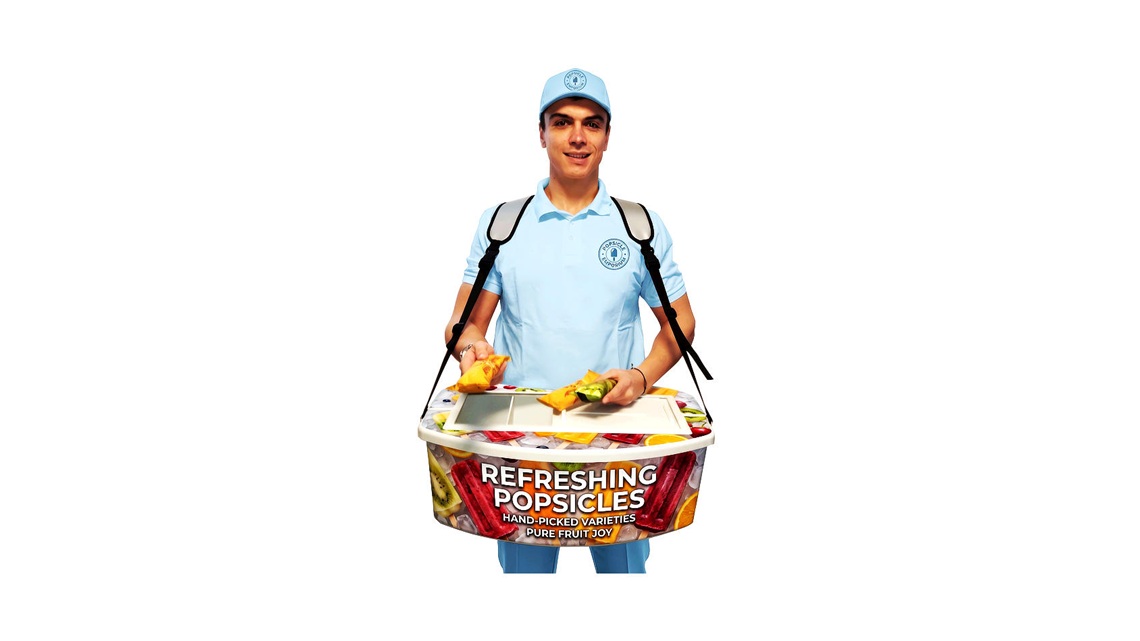
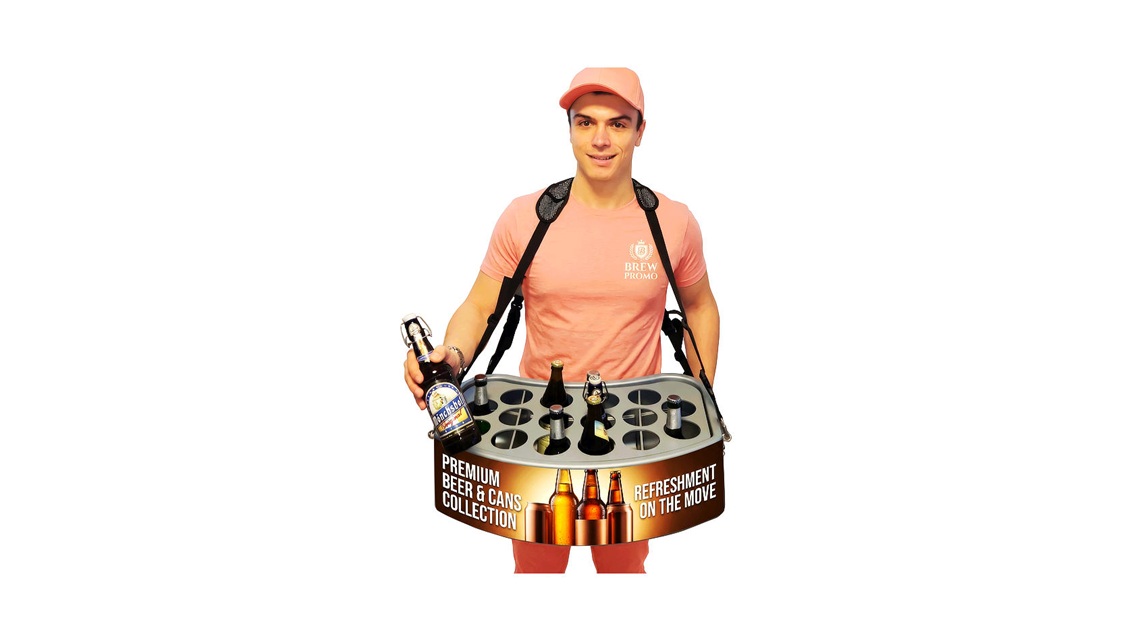
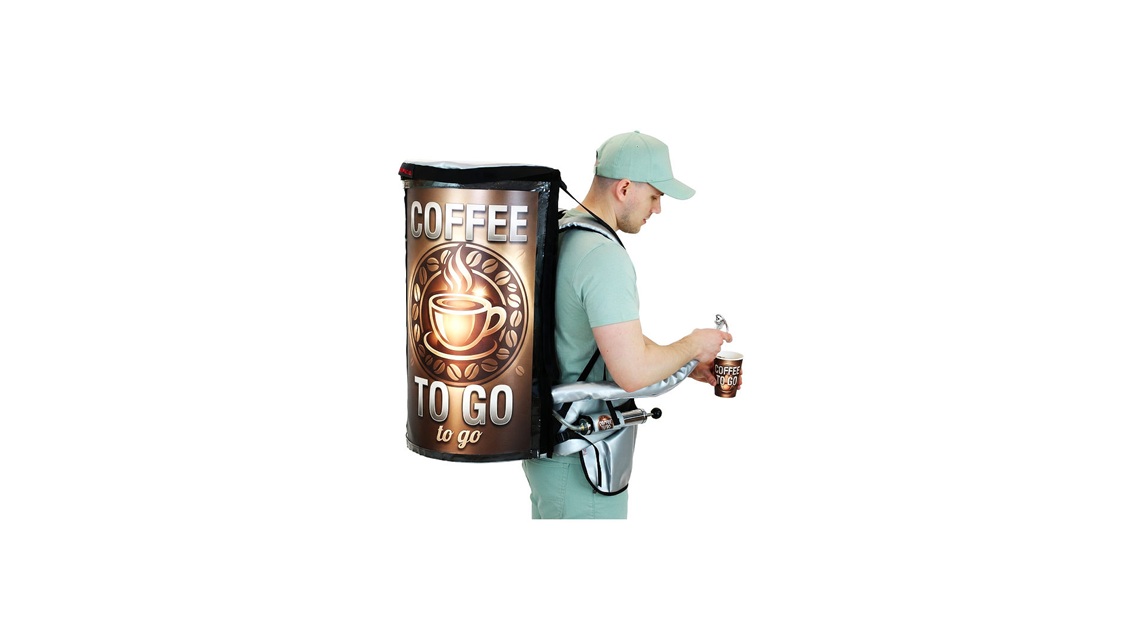
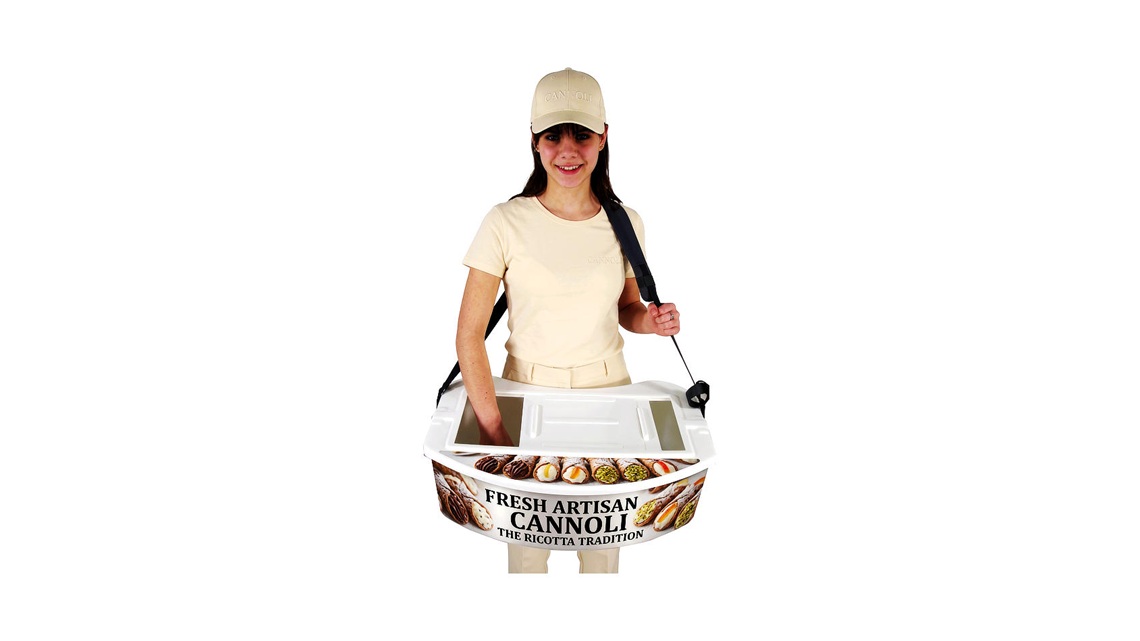
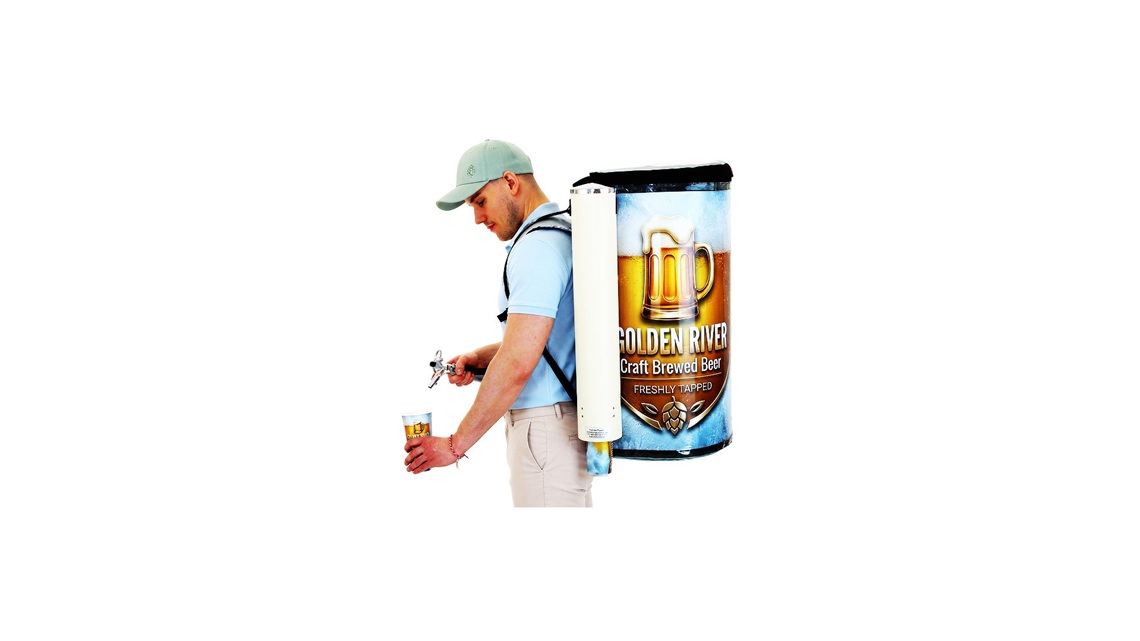
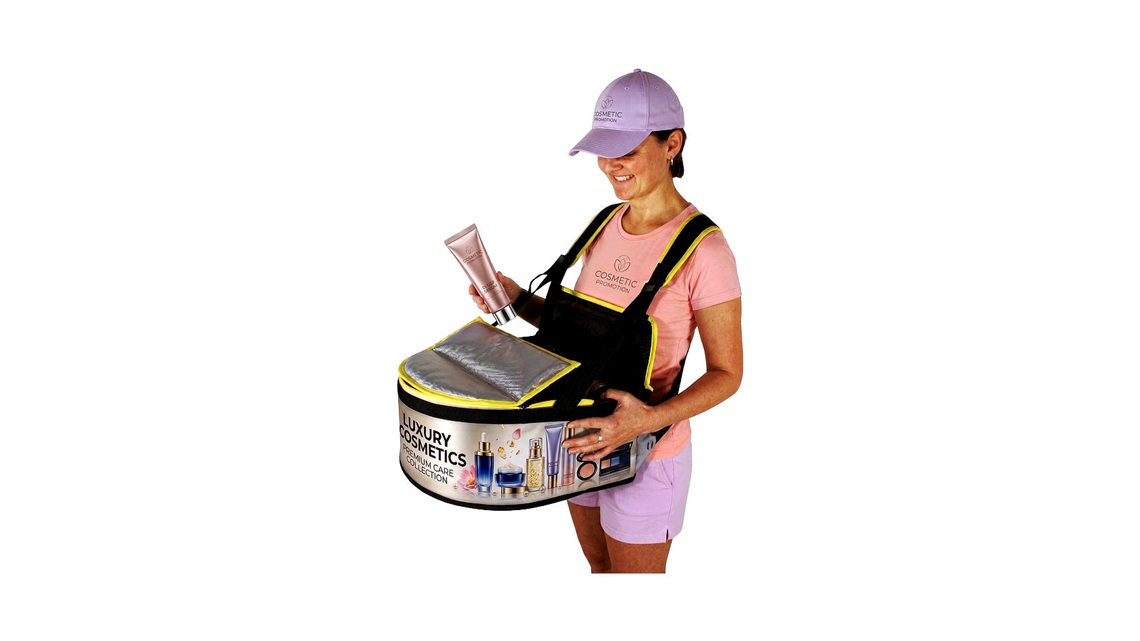
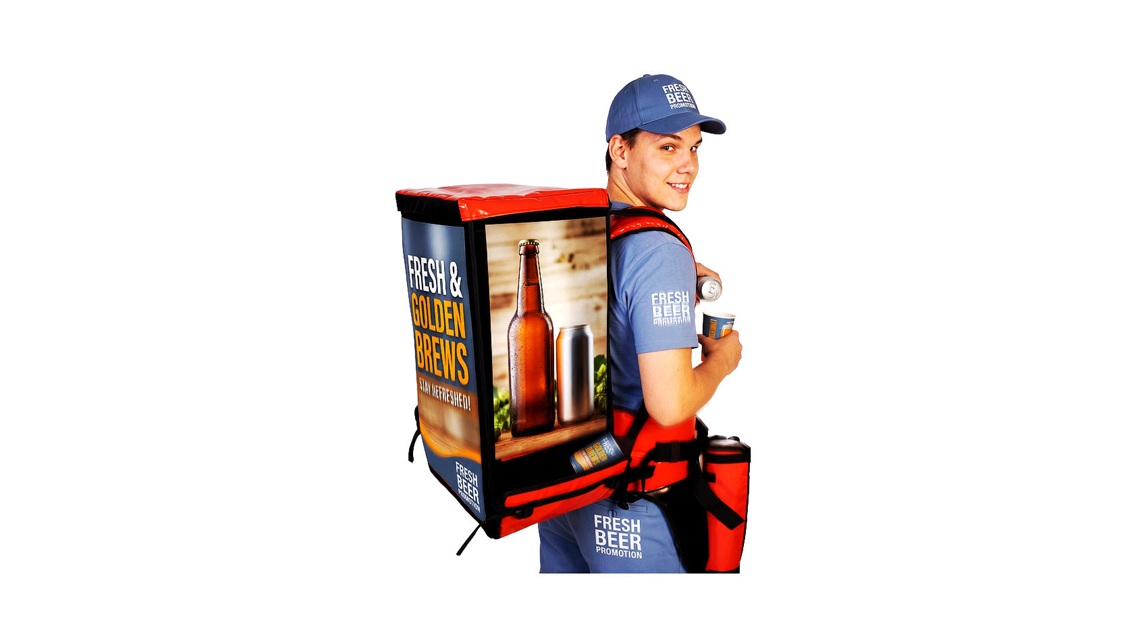
- Video presentation of the professional vendor tray system for mobile beverage sales, sampling campaigns and promotional event operations.
-
The system features ergonomic carrying harnesses, lightweight commercial construction and practical mobile operation for festivals, stadiums and trade fairs.
- Elevate your vendor management game with Rocketpacks!
- Streamlined solutions for organizing, tracking, and optimizing vendor relationships.
Practical FAQ for Evaluating a Vendor Tray Product Video
What should a procurement team learn from the vendor tray video before requesting a quotation?
The footage should provide a first impression of the tray’s proportions, carrying position and operating sequence. It can help a buyer decide whether the general concept fits mobile beverage sales, sampling or promotional work.
The video is not a substitute for a technical specification. Exact dimensions, empty weight, usable insert options and the proposed load still need to be confirmed in writing.
Why should the tray be shown from the front, side and rear?
A front view explains how products and branding face the audience. A side view reveals how far the equipment projects from the body, while the rear view shows the harness layout and strap routing.
Using several angles reduces the risk of judging the system from a flattering camera position that hides depth, movement or attachment points.
What does a walking sequence reveal about the equipment?
Movement footage shows whether the tray remains reasonably stable during normal steps, turns and short stops. Excessive swinging may indicate unsuitable adjustment, uneven loading or a route that is too demanding for the configuration.
The scene should be reviewed together with the visible load. An empty demonstration cannot represent the behaviour of a tray carrying bottles, samples or accessories.
How can viewers assess the operating height of the tray?
The product surface should remain within comfortable reach while the wearer can still see the walking area. The operator should not need to bend sharply forward or raise the shoulders for every item.
Body height and strap adjustment influence the result. One person’s position cannot be treated as a universal setting for an entire event team.
Why is a realistic load more informative than a display-only setup?
Real products change total mass, balance and access. Bottles, cans, packaged snacks and promotional samples create different pressure points and may shift as items are removed.
A meaningful demonstration should therefore state or visibly show what is being carried. Decorative empty packs do not provide the same operational information.
What can the video show about product access?
Viewers can observe whether the operator reaches the active selling area without searching through several layers. The sequence should show a complete removal and handover of one item.
If products must be rearranged repeatedly, the insert or compartment plan may not match the intended assortment. That issue should be resolved before a larger order is approved.
How should bottle or can stability be reviewed?
Round containers should remain separated and upright during ordinary movement. A suitable insert or divider reduces contact between the packages and helps the operator identify each position.
The footage cannot confirm compatibility with every container. The outside diameter and height of the customer’s actual bottle or can still need to be checked.
What does the harness demonstration need to include?
The video should show how the equipment is put on, how the straps are tightened and where the tray sits after adjustment. A brief walking test is more useful than a static image of the finished position.
The harness distributes and controls the load; it does not eliminate its weight. Staff rotation and break planning remain part of the event concept.
How can the footage help determine whether the tray is suitable for narrow aisles?
Side projection becomes easier to judge when the wearer passes a doorway, barrier or row of seats. The video should show turning and stopping rather than only forward walking on an empty floor.
For a final decision, the tray dimensions must be compared with the narrowest passage at the venue. Camera perspective can distort the apparent width.
Why should the video include a replenishment scene?
Restocking reveals how quickly the interior can be checked and prepared for another round. It also shows whether inserts remain in position when reserve products are added.
A practical event plan needs a defined replenishment point and pre-sorted stock. The tray itself is only the mobile part of that wider supply process.
What can be learned from a partial-load sequence?
A tray behaves differently after several products have been sold. Remaining goods may collect on one side, leaving an uneven balance or reducing visibility.
Footage of a partially depleted load helps planners identify whether staff need to redistribute items during service breaks.
How should branding visibility be evaluated in motion?
The main message should remain understandable while the wearer walks and turns. Large product names and simple graphics are easier to recognise than small copy or several equally dominant logos.
Viewers should also check whether hands, products, straps or an open lid cover important parts of the artwork during normal operation.
What can the video demonstrate about customer interaction?
It can show the distance between promoter and visitor, the direction of the product handover and whether the operator can maintain eye contact. These details help teams plan a short, repeatable interaction.
Selected scenes do not prove a particular response rate or sales result. Audience, location, offer and staff experience still determine campaign performance.
Can hygiene suitability be confirmed from the footage alone?
No. A clean-looking tray does not establish a complete hygiene process. Material information, cleaning instructions, product packaging and the operator’s food-handling procedure must be reviewed separately.
The video may demonstrate how goods are protected or accessed, but it cannot certify compliance for every food, country or event environment.
How can the product video support staff instruction?
Short scenes can illustrate putting on the harness, arranging the selling area, removing an item and setting the tray down safely. These examples create a common visual reference for the team.
Practical training with the real load is still required. Staff should repeat the process under conditions similar to the actual festival, stadium or trade-fair route.
Which video details are useful for an internal approval meeting?
Decision-makers can record time stamps for relevant scenes and connect them to open technical questions. This makes the review more precise than a general statement that the product looks suitable.
- Harness adjustment and final carrying position
- Side projection during turns
- Product removal and customer handover
- Stability of containers while walking
- Restocking and partial-load behaviour
- Visibility of the main advertising area
The resulting notes can be attached to the project specification and quotation request.
When should a buyer request additional photos or a separate demonstration?
More evidence is useful when the customer’s product is larger, heavier or shaped differently from the goods shown in the video. It may also be necessary for unusual routes, custom inserts or special branding.
A targeted request should describe the missing view or operation. Asking for the exact product sample to be tested is more useful than requesting another general promotional clip.
How should the video be used during a pilot test?
The team can use the footage as a reference for the intended setup, then repeat the same actions with the proposed products and staff. Differences in stability, access or working height should be documented.
The pilot should include a complete operating cycle: preparation, loading, walking, handover, replenishment, cleaning and return to storage.
What conclusions should not be drawn from a short product video?
The footage cannot guarantee fatigue-free use, a fixed carrying duration, a specific sales increase or universal suitability for all venues. It also cannot confirm local permits, food rules or import requirements.
Those questions require separate operational, legal and technical review. The video should be treated as visual evidence for defined functions, not as proof of every marketing claim.
Which information should accompany the video when requesting a project recommendation?
A useful enquiry connects the observed product concept with the customer’s real operating conditions.
- Type, dimensions and unit weight of the carried goods
- Target quantity for one mobile round
- Required inserts, dividers or accessory positions
- Venue type and narrowest operating areas
- Expected shift pattern and staff rotation
- Branding requirements and visible message
- Order quantity and destination country
- Required delivery date and planned pilot schedule
These details allow the manufacturer to confirm whether the filmed configuration is suitable or whether another setup should be considered.
Stay Connected!
- Follow us on social media to stay updated on special promotions, menu offerings, and behind-the-scenes moments with our Rocketpacks team.
- Explore our Vendor Tray Video to see mobile vending trays in action at major events across. Ideal for live promotions, food & beverage service, brand activations and sampling teams seeking ergonomic, hygienic and highly adaptable mobile sales equipment.
- Made in Germany: Learn more about our manufacturing process and quality standards.