Operation Guide: Hygienic Handling and Safe Loading Procedures
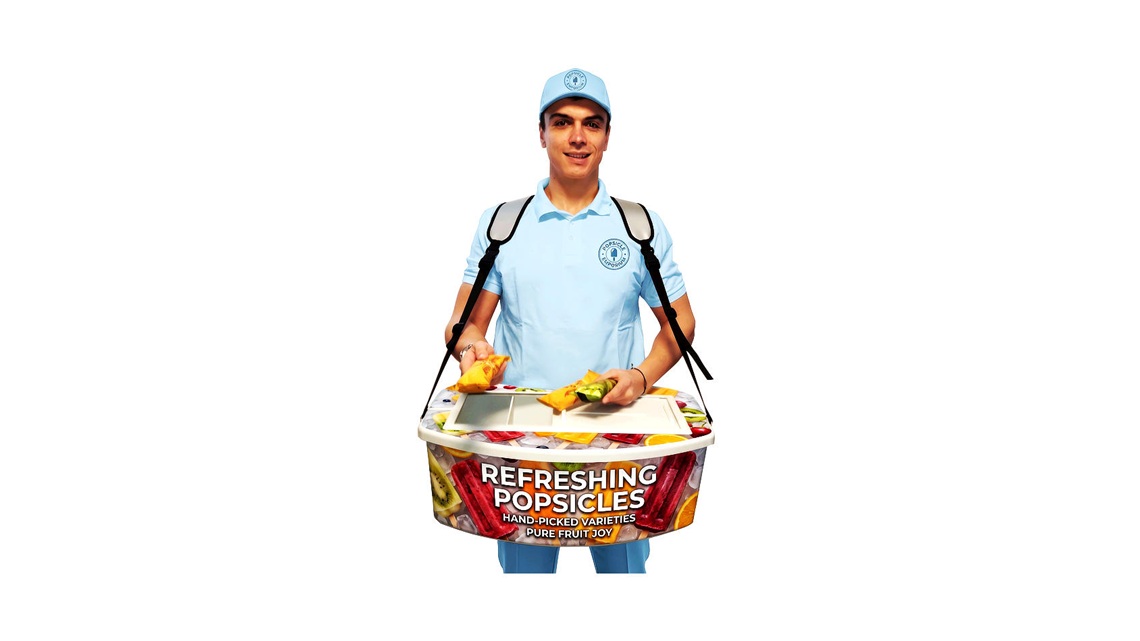
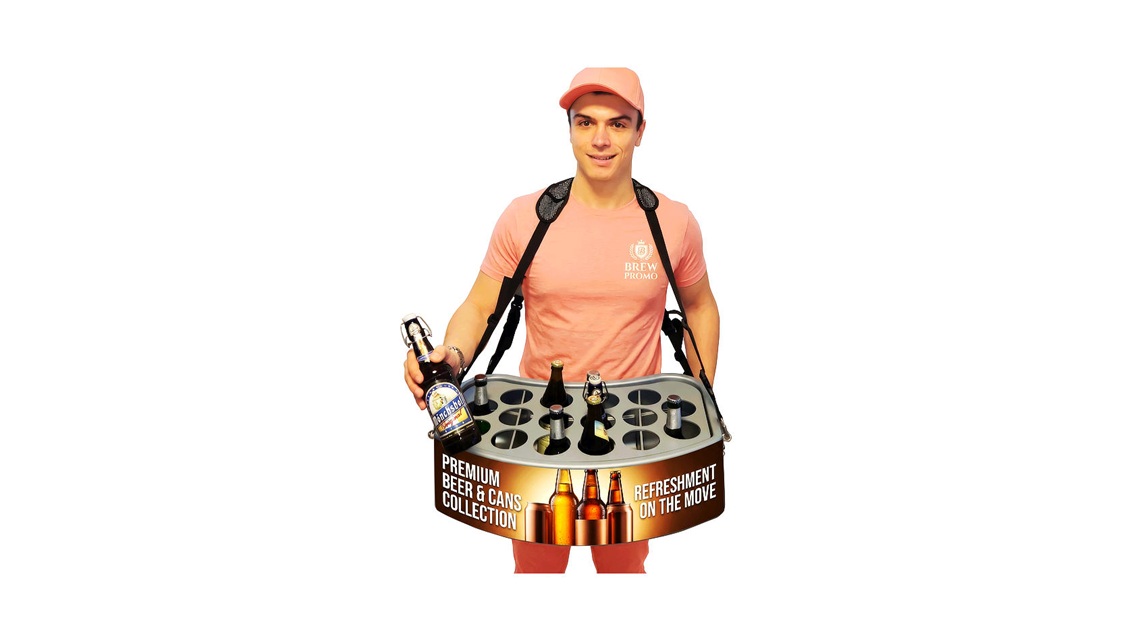
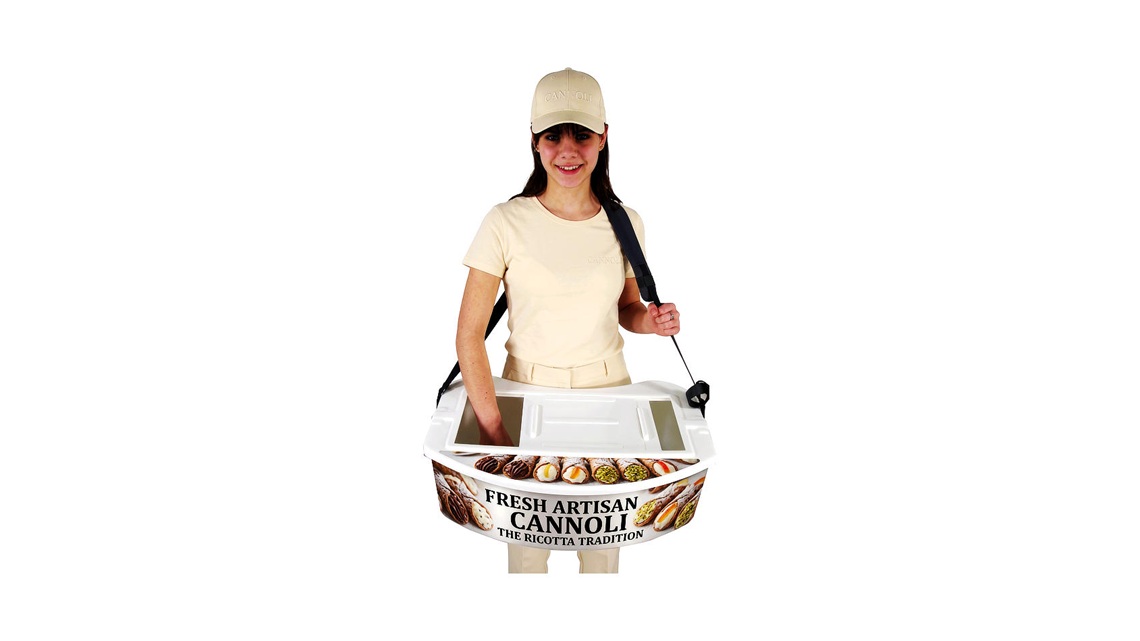
Philadelphia street parade belly tray drink sampling using visual merchandising outdoor and human 2 human sales experience with brand message communication.
Street Parade Hygiene and Operations FAQ for Bellytray Sampling
What should be confirmed before a Bellytray team enters a public parade route?
The organiser should approve the product, operating zone, service period, replenishment point and responsible contacts. Street activity may also require permission from the event authority, property controller or local regulator.
The team should not begin by roaming freely through the crowd. A defined route and return point make stock, safety and staff location easier to control.
Why are sealed individual products preferable for moving drink sampling?
Sealed units reduce direct contact with the product and simplify counting, handover and traceability. They also protect the contents while the wearer walks through changing crowd conditions.
Open cups require a separate filling, covering and spill-control process. The tray alone does not make an exposed beverage hygienically suitable for public distribution.
How should sample custody be documented from stock point to handover?
Each load should be linked to the product name, batch or lot information, preparation time and quantity issued. Returned, damaged and distributed units are recorded when the tray comes back.
This chain of custody helps the organiser identify which products were present in a specific round if a quality question or recall occurs later.
What hand-hygiene arrangements are needed for a mobile promoter?
The operator needs access to the event’s approved handwashing or sanitising process before loading, after contamination and at defined intervals. The method must suit the distributed product and local hygiene requirements.
Gloves are not a substitute for clean hands. They must be changed when contaminated and should not be used to touch phones, money and samples without a controlled procedure.
How should payment and product handling be separated?
Where samples are sold, the workflow should assign a clean product hand and a separate payment action whenever practical. A securely mounted cashless terminal can reduce contact with loose coins and notes.
The operator should not touch an exposed food-contact surface after handling payment equipment. Packaged products still need a clear and repeatable transaction sequence.
What is the safest way to replenish during a parade?
Replenishment should take place at a protected service point outside the main pedestrian stream. Replacement stock is pre-counted and arranged so it can be loaded without placing products on the ground.
Informal refilling from an open carton in the crowd makes hygiene, stock control and staff movement harder to manage.
How should the tray be protected from dust, rain and airborne debris?
Products should remain closed or covered whenever the service format allows. The operator should avoid locations beside vehicle exhaust, construction dust, waste containers or areas where confetti and debris collect.
Rain protection must not block visibility or access. If weather compromises packaging or cleanliness, distribution should pause until the load has been checked.
What should happen if a sample falls onto the ground?
The item should be removed from sale or distribution and placed in a separate waste or quarantine container. It should not be wiped and returned to the active stock.
The incident should be counted as damaged stock. If several items fall, the tray layout, route surface and operator technique need immediate review.
How can staff prevent crowding around a mobile sampling point?
The offer should be visible and understandable before the promoter reaches the customer. A short handover process keeps people moving and reduces the chance that a stationary group blocks the parade route.
When several people stop at once, the operator should move only to an approved wider area. Emergency access and pedestrian flow take priority over the number of samples distributed.
Why should samples be handed directly rather than left for self-service?
Direct handover allows the operator to control quantity, protect remaining stock and answer essential product questions. It also prevents multiple people from reaching into the tray.
Self-service may be possible only when a separate approved display or dispensing format has been planned. A wearable tray is normally managed by the assigned promoter.
How should age-restricted beverages be handled?
The organiser must define whether the product may be distributed, which identification checks apply and who is authorised to serve it. Staff should receive written refusal and escalation instructions.
A festive public setting does not reduce legal responsibilities. Sampling should stop whenever the operator cannot complete the required age check safely.
What information should the promoter be able to provide about the sample?
The team should know the product name, basic ingredients, allergen information, serving condition and whether the sample is free or linked to another action. Approved reference material should be available for detailed questions.
Staff should not guess about dietary suitability, health effects or origin. Unverified claims can create greater risk than simply referring the person to official product information.
How should temperature-sensitive drinks be controlled during an outdoor round?
The products should start at the required temperature and remain within a validated operating period. The organiser should define the maximum route time and the conditions that require an early return.
Sun, ambient heat, product mass and opening frequency influence the result. Visual appearance in the video does not establish a universal temperature-holding time.
What should be done with a load that has exceeded its permitted service time?
The operator returns the tray to the stock point and separates the affected products for assessment. They should not be mixed with newly prepared stock or redistributed without an approved decision.
Time limits only work when each load has a recorded departure time. Staff memory is not a reliable control during a busy parade.
How can waste be managed without adding loose bins to the tray?
Waste points should be placed along or near the approved route, and the team should tell recipients where packaging can be discarded. The operator may carry only a small separate bag for damaged stock if it does not contaminate clean products.
Overflowing waste or litter around the activation should trigger additional collection. A mobile campaign remains responsible for the visible impact of its packaging.
What incident categories should be reported immediately?
The operator should know which events require a pause and supervisor contact.
- Suspected product contamination or damaged seals
- Illness or allergic reaction reported by a recipient
- Lost stock or unexplained quantity differences
- Broken strap, buckle or carrying attachment
- Blocked emergency or parade access
- Conflict, harassment or unsafe crowd behaviour
- Weather that compromises product condition
- Instruction from security or event management to stop
The incident record should include time, location, load reference and action taken.
How should the team respond to a product complaint in the crowd?
The promoter should listen, stop distributing the questioned product and contact the responsible supervisor. The affected package should be retained when safe and permitted so that its batch information can be checked.
The operator should not argue, promise compensation or provide a medical opinion. The organiser’s complaint and emergency procedure determines the next step.
What should be checked during every return to the service point?
The coordinator should compare remaining stock with the issue record and inspect packaging, tray cleanliness and carrying components. Moisture, spills and damaged units are resolved before the next load is released.
This return check is also a suitable moment to confirm the promoter’s condition and whether the route remains safe and productive.
Which records support a traceable post-parade review?
The closing file should connect product control with the public operation.
- Product name, lot reference and quantities received
- Loads issued to each tray and departure times
- Samples distributed, returned, damaged or discarded
- Temperature or service-time records where required
- Hygiene checks and replenishment intervals
- Complaints, incidents and route interruptions
- Waste collection and cleaning completion
- Changes recommended for the next event
These records provide more reliable evidence than the number of boxes emptied during the campaign.
What details are needed for a parade sampling Bellytray quotation?
A useful enquiry should describe the product-control process as well as the visual campaign.
- Product type, package dimensions and unit weight
- Free sampling, sale or combined activation
- Required quantity for one public round
- Temperature, allergen and age-control requirements
- Parade route, crowd density and refill location
- Payment, waste and hygiene arrangements
- Branding format and number of promoters
- Delivery destination and required event date
These details allow the manufacturer to assess the tray configuration while permits, hygiene controls and public-event procedures remain the organiser’s responsibility.
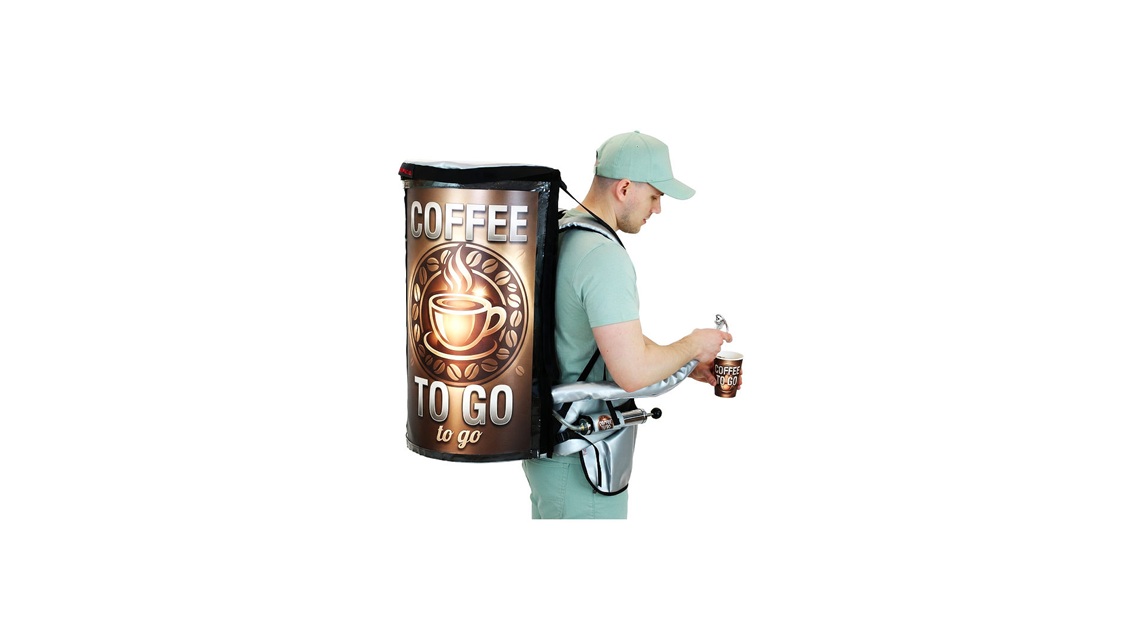
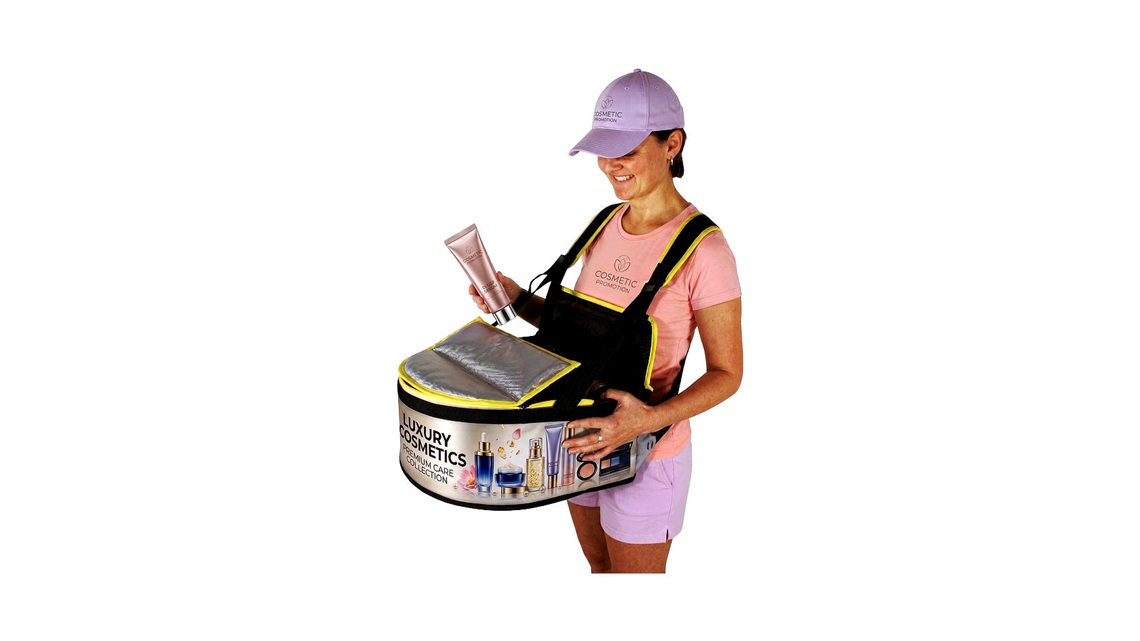
- The Rocketpacks Bellytray is a wearable, portable vendor tray system designed for mobile catering, sampling, on-the-go beverage and snack distribution, and live event promotion.
- It is worn on the front of the body with adjustable straps (shoulder and hip strap) to allow hands-free movement and maximum mobility.
- Back to product: Belly Tray details & pricing