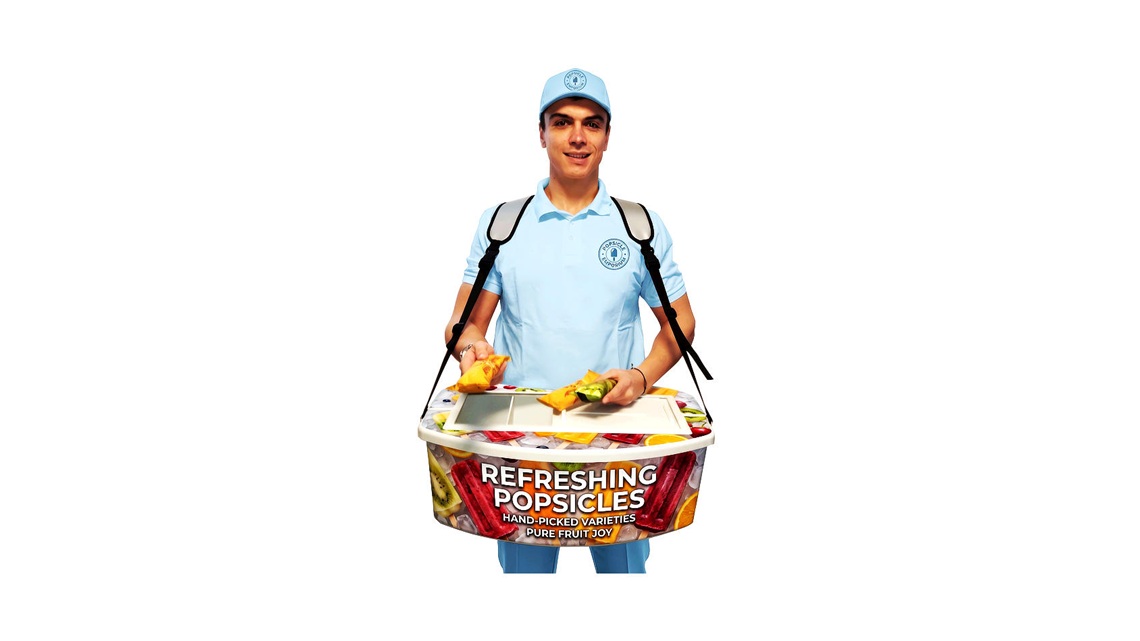
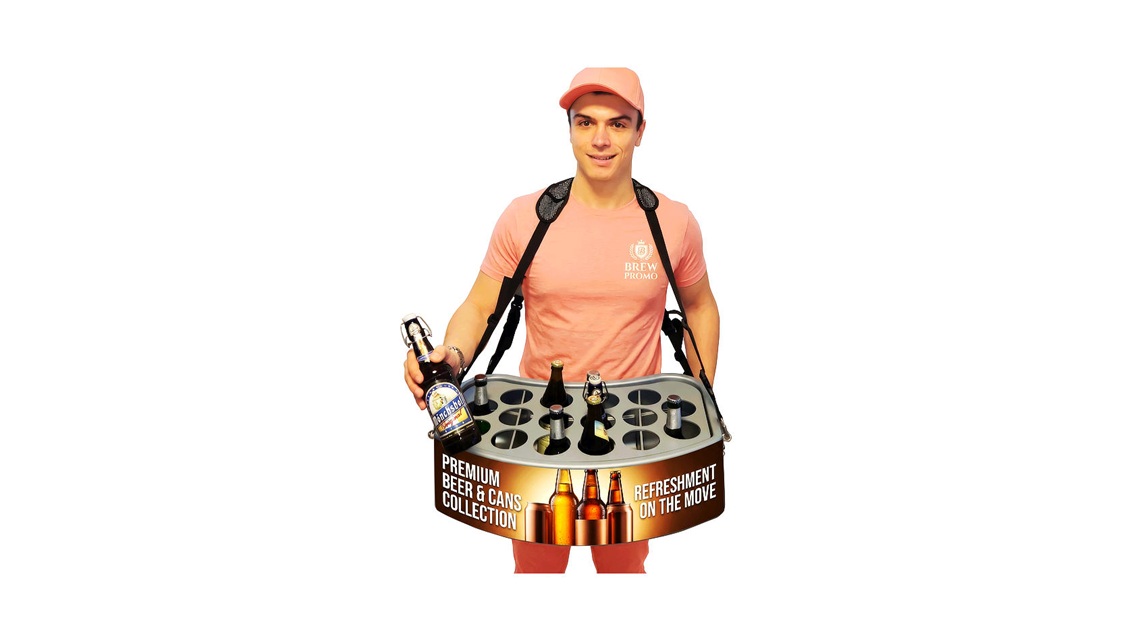
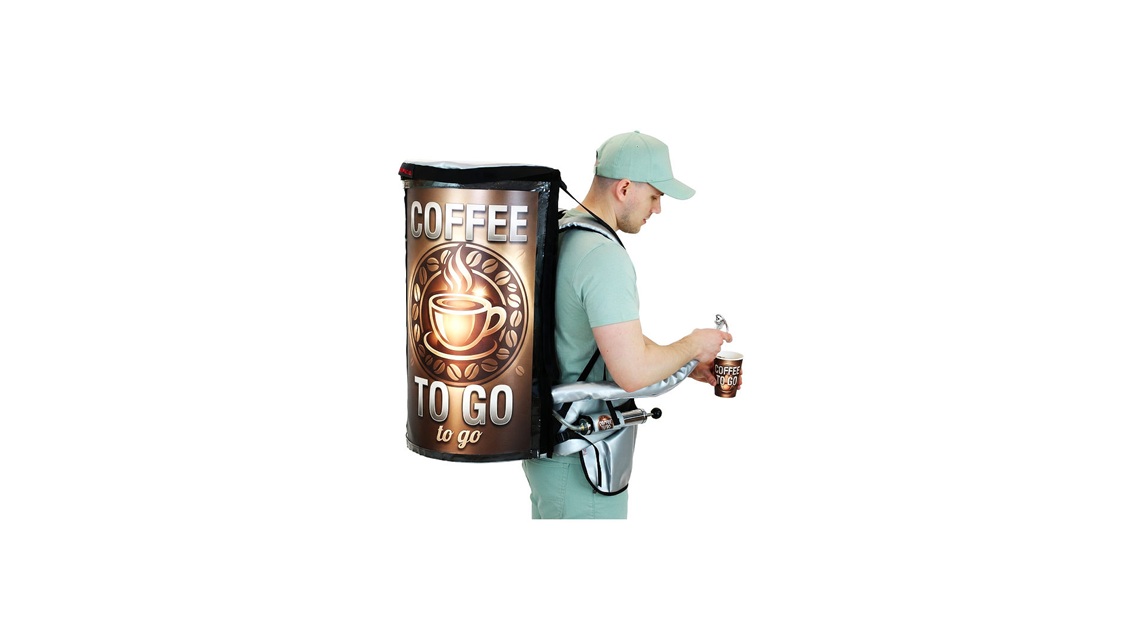
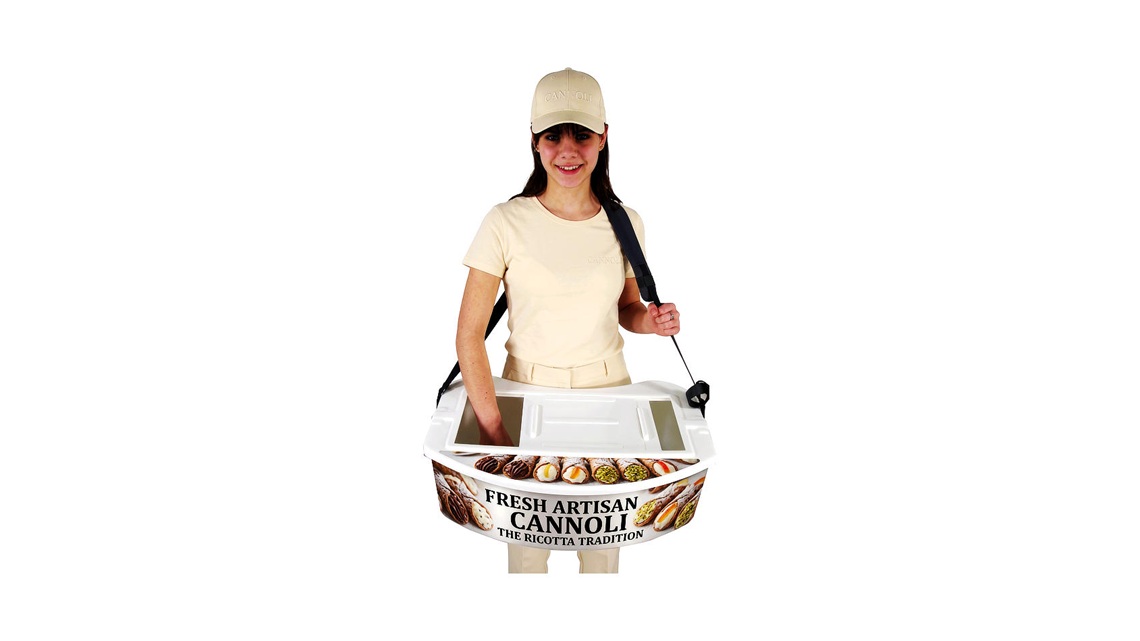
Vendor’s Tray and Bellytray in Action: Efficient Outdoor POS Promotion
- Behind-the-Scenes Ski Magic:
- Peek behind the scenes and discover the coordinated efforts that make our Hawker's Tray Distributor Team an integral part of the ski hill experience.
Behind-the-Scenes FAQ for a Ski-Hill Hawker Tray Activation
What should be decided before the filming crew and vending team arrive?
The organiser should confirm the campaign objective, operating zone, permitted products, responsible contacts and the scenes that must be documented. This avoids using valuable event time to decide basic responsibilities on location.
The tray configuration, staff clothing, stock quantity and refill point should already be approved. Filming should observe a prepared operation rather than replace operational planning.
Why does a ski-hill activation need a written call sheet?
A call sheet brings together arrival times, access points, contact numbers, weather notes, filming windows and venue restrictions. It also identifies who may approve changes during the day.
Without one document, the camera crew, promoter team and stock personnel may work from different assumptions. A short written plan is easier to update than several separate message threads.
Which roles should be assigned within the campaign team?
The activation should distinguish the tray operator, stock coordinator, camera lead, venue contact and person responsible for customer permissions. One individual may hold more than one role in a small project, but the duties must remain clear.
The operator should not be expected to monitor filming, count stock and resolve venue issues while serving customers.
How should the tray be prepared before the first recorded scene?
The approved insert, dividers, artwork and accessories should be installed before loading. Straps are adjusted to the wearer’s clothing and the starting stock is counted.
A short test confirms that the lid, pockets and product positions work as intended. Visible labels, temporary tape and packing residue should be removed before filming begins.
Why should an equipment reference photo be taken at the start?
A reference image records the approved tray layout, artwork placement and starting condition. It helps the crew restore the same appearance after replenishment or a break.
The image is also useful when several trays are used. Differences in accessories or product arrangement can then be identified before they create continuity errors.
How is continuity maintained across separate video takes?
The team should record the visible product count, lid position, strap setting and operator clothing for each scene. Items removed during one take must be replaced before repeating the same action from another camera angle.
Continuity is not merely a visual concern. Repeated unrecorded handling can also distort stock counts and product-condition checks.
How should products be handed from the stock point to the operator?
Replacement loads should be pre-counted and arranged according to the agreed tray map. The operator confirms the quantity before leaving the refill area.
Loose last-minute additions make the load harder to balance and complicate later reconciliation. Product transfers should be documented even when they occur only for filming.
What should the camera team know about the operator’s working space?
The camera should not force the operator into an unsafe route or block the public circulation area. The crew needs agreed positions for wide shots, close-ups and customer handovers.
A visually attractive angle is not acceptable when it interferes with venue operations. The site contact should be able to stop or relocate a scene immediately.
Why should one complete unbroken service sequence be recorded?
An unbroken sequence can show approach, customer contact, product selection, payment or confirmation, handover and departure. It provides a more useful operational reference than several disconnected close-ups.
Edited clips may still be used for communication, but the continuous take should be retained for internal review.
How should customer participation be organised?
People who are deliberately featured should understand how the footage may be used and provide the required permission. The production plan should also define how bystanders and children are handled.
Consent for receiving a product is not automatically consent for promotional publication. Venue and privacy requirements must be checked before recording begins.
What is the purpose of a weather-hold rule?
A weather-hold rule identifies conditions under which filming or mobile service pauses. Examples include unsafe visibility, strong wind, heavy precipitation or a route surface that no longer supports controlled walking.
The decision should belong to a named person. Commercial pressure should not leave the operator uncertain about whether the activity is still authorised.
How should changes caused by weather be documented?
The log should record the time, condition, route change and effect on stock or filming. This context explains why later scenes may show different clothing, lighting or operating locations.
It also prevents the final video from presenting separate weather conditions as though they were one continuous service period.
Why should the operator’s feedback be collected between scenes?
The wearer can identify strap movement, restricted reach, unstable products or an awkward camera instruction before these issues become visible to the wider team. A brief check after each main sequence is enough.
Feedback should be recorded in practical terms. Statements such as comfortable or difficult are more useful when connected to load, route and duration.
What information belongs in the equipment log?
The log should make each recorded configuration traceable.
- Tray model and internal layout
- Assigned operator and strap setting
- Starting products and total quantity
- Accessories and advertising version
- Time of loading and each refill
- Visible damage, moisture or adjustment
- Scenes recorded with that configuration
- Condition of the equipment after use
This record supports technical review and future campaign preparation.
How should mistakes during filming be treated?
A dropped product, delayed handover or awkward turn should first be assessed as an operational event. The team should identify whether it resulted from instruction, load arrangement, route condition or equipment setup.
Repeating the scene without recording the cause may hide a useful lesson. Internal review can retain the failed take even when it is excluded from public material.
Why should promotional footage and evaluation footage be separated?
Promotional editing selects concise scenes for public communication. Evaluation footage preserves longer sequences, alternative angles and unsuccessful attempts for technical analysis.
Using one edit for both purposes can remove the context needed by procurement or operations teams. The project archive should therefore retain both versions.
What evidence is useful for a B2B project review?
Decision-makers need more than attractive landscape footage. Useful evidence includes the confirmed load, route length, refill frequency, transaction sequence, operator comments and any required adjustments.
The video should be accompanied by a short written summary. This makes the result easier to compare with another model, venue or campaign.
How should files from the production day be named and stored?
File names should identify the date, location, tray configuration, scene and take number. Current artwork, consent records and equipment logs should be stored with the corresponding footage.
A consistent archive prevents an older or technically different configuration from being presented later as the current product setup.
What should the final debrief cover?
The organiser should review whether the planned scenes were completed, whether the tray functioned as configured and which operational changes were needed. Stock discrepancies, safety interruptions and permissions should also be closed.
The debrief should produce actions with responsible persons and deadlines. General comments without ownership rarely improve the next activation.
Which details should accompany an enquiry inspired by the ski-hill video?
A useful request should translate the visual idea into a defined project.
- Venue type, operating area and expected weather
- Product format, dimensions and unit weight
- Quantity intended for one mobile round
- Required tray layout and accessories
- Staff clothing and number of operators
- Branding concept and filming requirements
- Refill process and responsible venue contact
- Number of units, destination and required date
These details allow the manufacturer to assess the equipment request while the organiser remains responsible for venue permissions, staffing and media production.
Don’t miss out on this essential tool for success at festivals! Contact us now to learn more about our trays and how they can enhance your business.