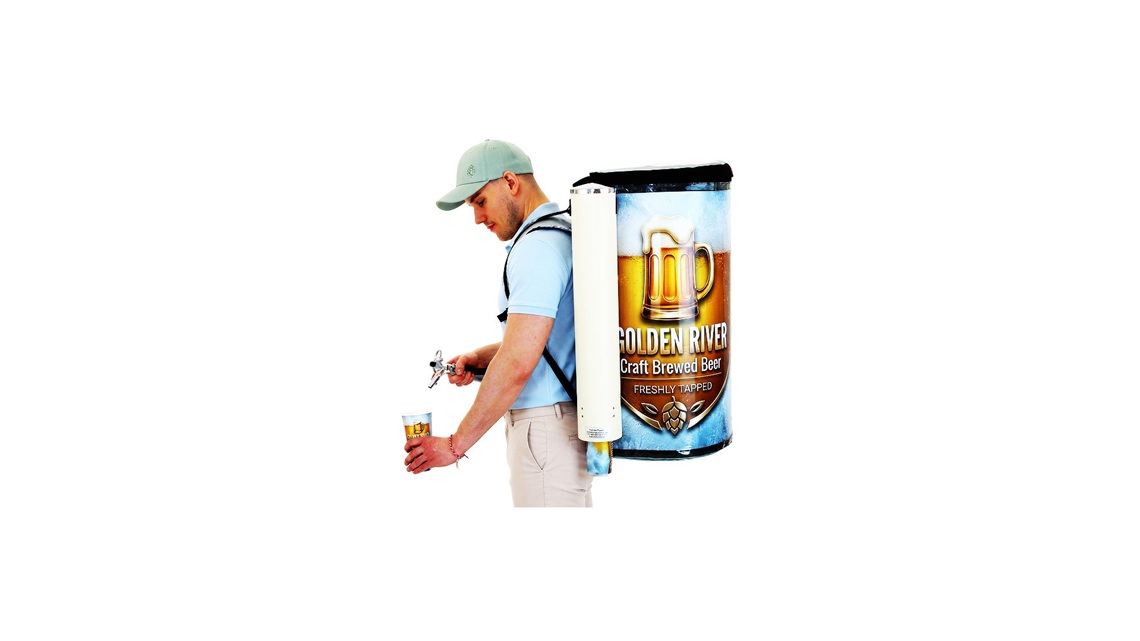
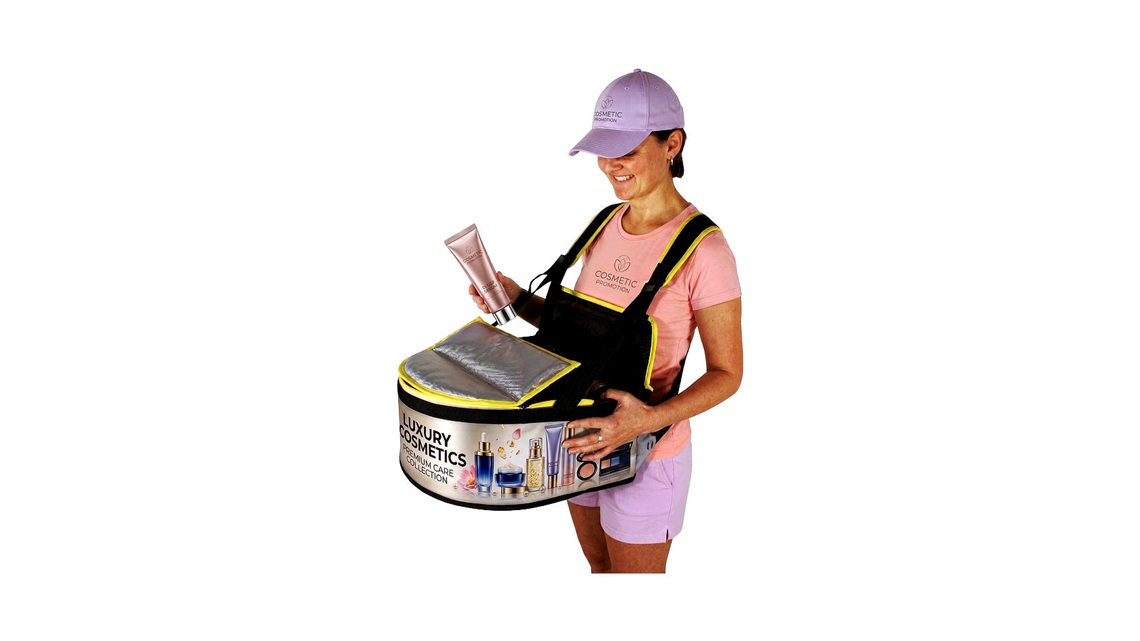
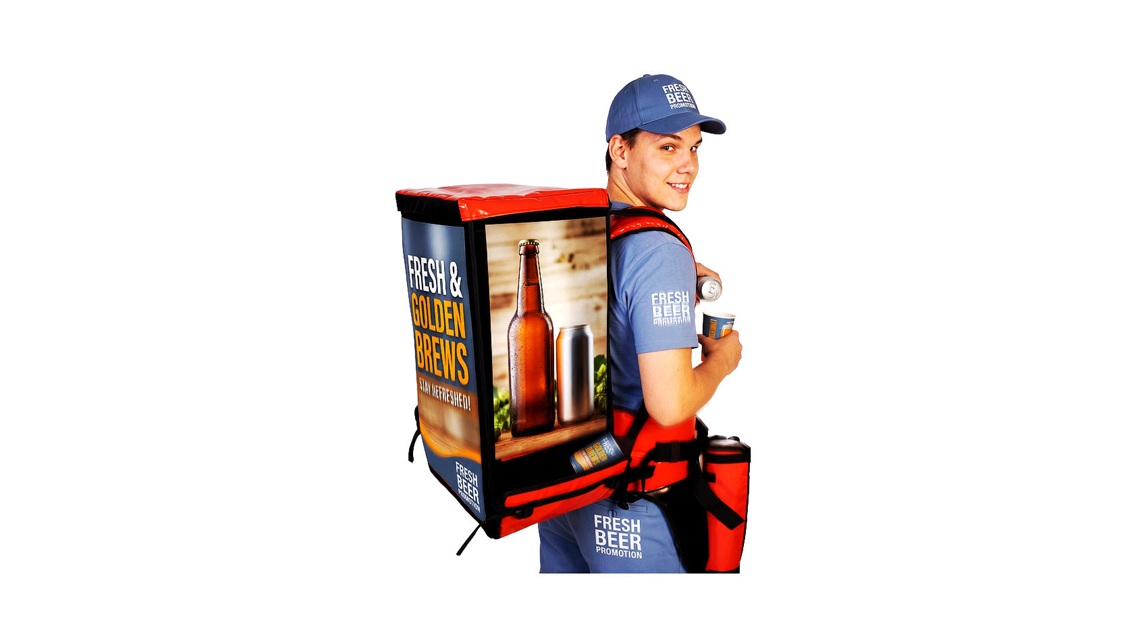
Bellytray and Vending Tray: Efficient Outdoor Service for High-Traffic Events
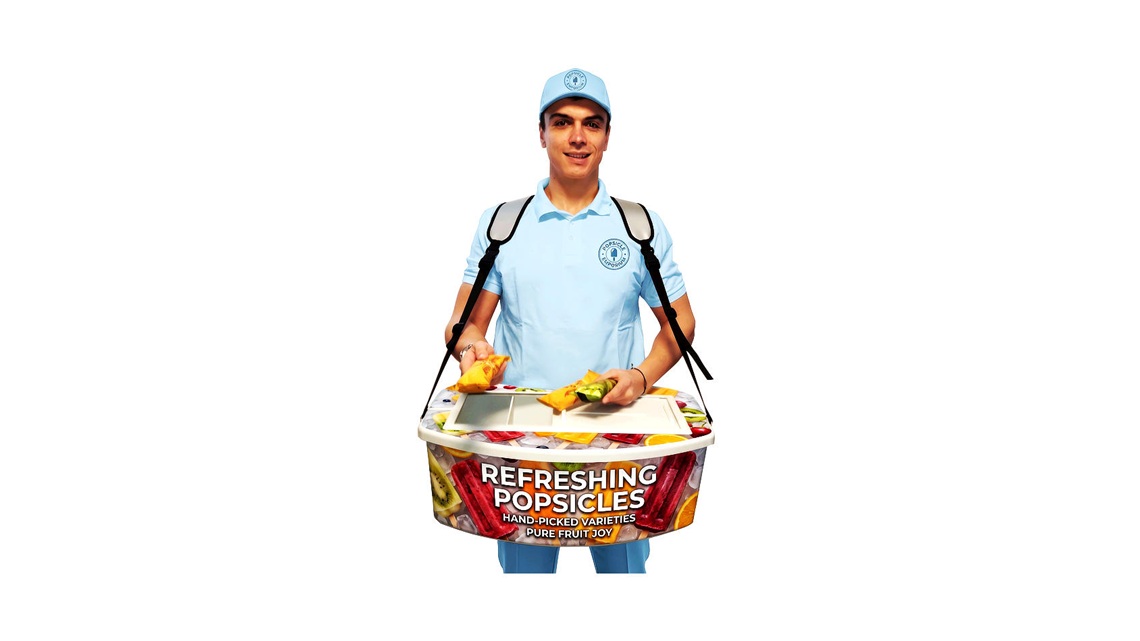
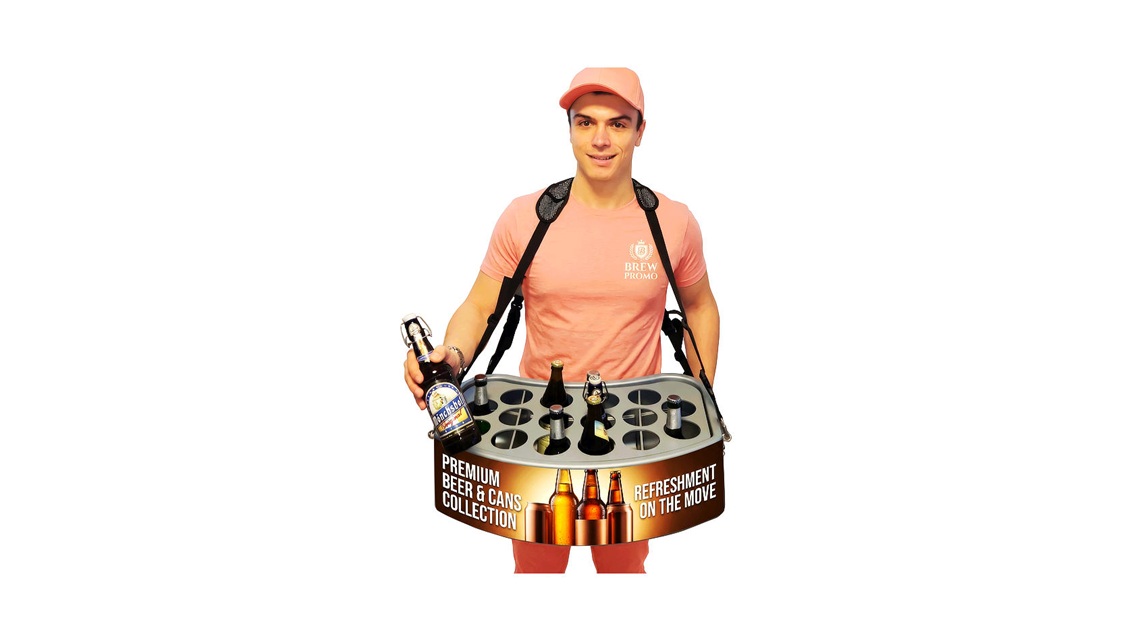
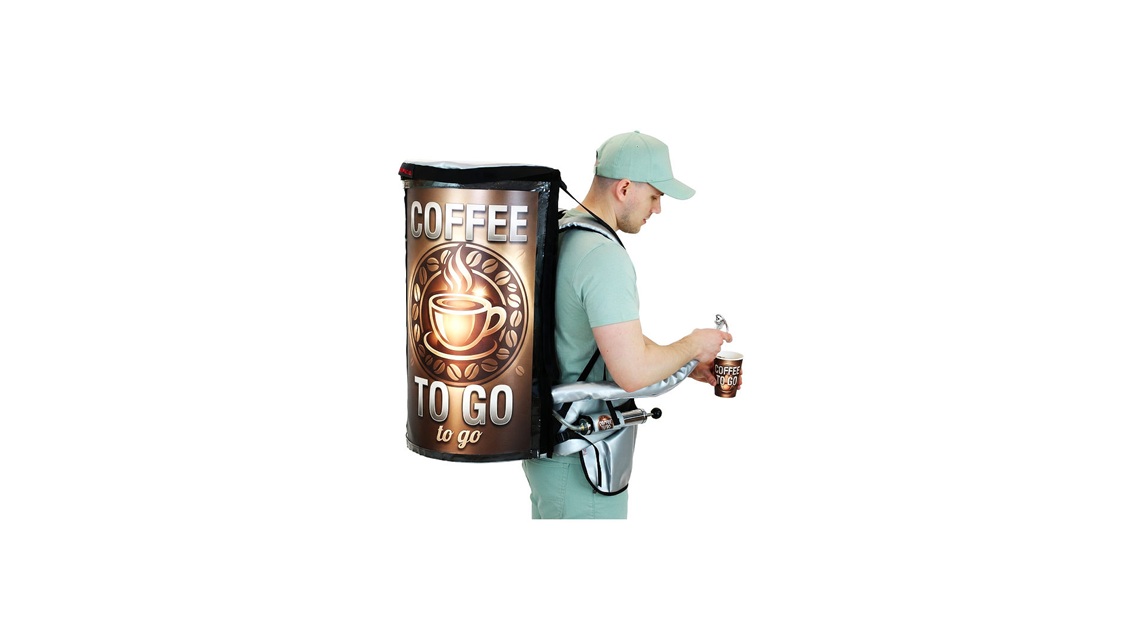
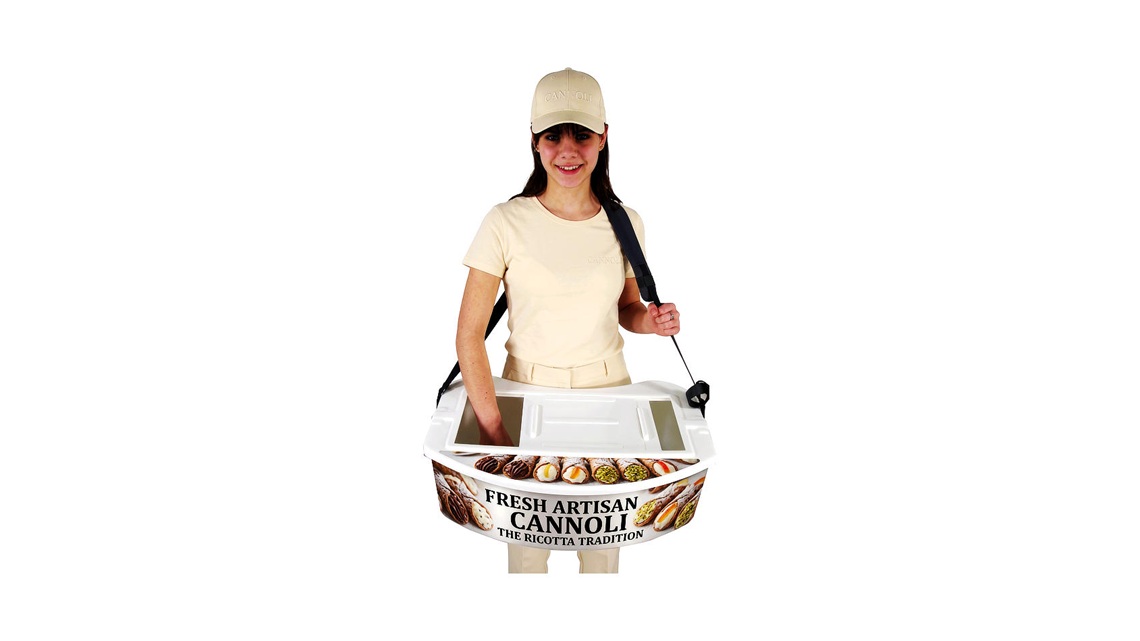
- Educational Sweetness: Our vendor's tray video captures the educational spirit as our schoolgirl promotions team engages with the Harvard community.
- Turning ice cream breaks into moments of shared joy and intellectual camaraderie.
Campus and Community Activation FAQ for Vendor’s Tray Campaigns
What makes a university or educational setting different from a normal street campaign?
A campus has its own timetable, access rules, safeguarding expectations and institutional approval process. High footfall alone does not make every courtyard, library entrance or lecture building suitable for promotional activity.
The campaign should respect teaching, examinations, research spaces and student services. Mobility is useful only when the team remains within the zones approved by the institution.
Who should approve a campus activation before equipment is deployed?
The organiser may need permission from events management, facilities, student services, security, catering or a student union. The correct authority depends on who controls the proposed space and the product being distributed.
Written confirmation should identify dates, hours, permitted areas and any restrictions on sales, samples, photography or external branding.
How should the academic calendar influence the campaign date?
Lecture periods, examination weeks, registration days and graduation events create very different patterns of movement. A campaign aimed at relaxed conversation may perform poorly during a short change between classes.
The organiser should ask the institution which periods create useful engagement without disrupting academic activity. Calendar timing should be treated as an operating decision, not merely a marketing choice.
Which campus locations are usually unsuitable for mobile promotion?
Quiet study zones, emergency routes, laboratory areas, narrow stairs and access points for disabled users should not be obstructed. Food or drink may also be prohibited in libraries, specialist buildings and certain teaching rooms.
The approved route should be walked in advance. A tray that fits through the space may still interfere with queues, doors or normal pedestrian flow.
How should a student-ambassador team be selected?
Ambassadors should be reliable, comfortable speaking with the intended audience and able to follow product, privacy and venue instructions. Familiarity with the institution can help them understand local routines and acceptable behaviour.
Selection should not be based only on social reach or appearance. The work includes stock control, safe carrying, accurate information and professional conduct.
What training does a campus ambassador need before the first route?
Training should cover the approved message, product facts, route boundaries, refusal handling, sample limits and escalation contacts. The person also needs a practical fitting session with the loaded tray.
Ambassadors should know when to stop an interaction, where to return unused stock and how to respond when they do not know the answer to a question.
How should staff identify themselves to students and visitors?
Clothing, badges or campaign graphics should make the team’s role clear without implying that the institution endorses the product unless such endorsement has been formally agreed. The seller or promoter should be identifiable where required.
Brand visibility should not resemble official university security, medical or administrative clothing. Clear identification reduces confusion and supports complaint handling.
What should be considered when samples are distributed rather than sold?
The organiser should define the sample quantity per person, eligibility rules and what the recipient is expected to do next. Samples may support awareness, product trial, research recruitment or a later purchase, but the objective must be explicit.
Staff should not distribute repeatedly to the same person merely to increase headline numbers. Counted stock and a defined route provide more credible reporting.
How should food, drink or cosmetic samples be governed?
Products should remain in appropriate packaging and be accompanied by the information required for ingredients, allergens, use or warnings. The institution may impose additional restrictions beyond general law.
The tray is only the carrying platform. Product compliance, preparation, batch traceability and consumer information remain the organiser’s responsibility.
What is a respectful way to approach people in an educational environment?
The opening should be brief and allow the person to decline without explanation. Staff should not block a route, follow someone who has refused or interrupt a conversation, class or study activity.
A calm, optional interaction is more suitable than loud repetition. The campaign should be designed around consent to engage.
Can the activation collect email addresses or survey answers?
Data collection requires a clear purpose, lawful process and transparent explanation of how information will be used. Participation in a sample should not automatically enrol someone in marketing communication.
Where a form or QR code is used, the operator should direct people to the information notice rather than provide improvised privacy explanations.
How should research-style feedback be separated from marketing?
A genuine survey should state who is conducting it, what will be recorded and whether responses are anonymous. Promotional questions designed mainly to capture leads should not be presented as independent academic research.
If a university department is involved, its role should be documented. Institutional association must not be implied from location alone.
What rules should govern photography and filming on campus?
The organiser should obtain location permission and define how identifiable people will be handled. Students, staff and visitors should not be treated as automatic background actors for advertising.
Deliberately featured participants may require a release. Sensitive locations, name badges, timetables and personal information should be kept out of published material.
How can influencer collaboration support the campaign without weakening credibility?
An influencer can explain the activation, demonstrate the product or direct followers to the permitted location. The partnership should match the intended audience and disclose its commercial nature where required.
Follower count alone is not enough. Brand conduct, accuracy, campus permission and the quality of prior collaborations should be reviewed before appointment.
What should be included in an ambassador or influencer brief?
The brief should turn campaign expectations into usable instructions.
- Approved locations, dates and working periods
- Product facts and claims that may be used
- Statements that must not be made
- Sample or sales limits per person
- Photography, privacy and disclosure rules
- Dress code and equipment responsibilities
- Contact person for incidents or questions
- Required reports and return of unused stock
All participants should receive the same current version before the activity begins.
How should queues be prevented around a mobile sampling team?
The offer should be understandable before the person reaches the tray, and the handover should require only a few steps. Complicated registration or several product choices can create congestion in a circulation area.
When interest becomes too high, staff should move to an approved open point or pause distribution. The institution’s normal movement takes priority.
How can litter and packaging waste be controlled?
Waste points should be positioned near the activation and emptied during the operating period. The team should monitor whether wrappers, cups or sample cards are being left in teaching and social areas.
Claims about environmental benefit should be supported by the actual packaging and collection system. A manually carried tray does not make the complete campaign waste-free.
What should happen when a complaint is raised?
The ambassador should listen, avoid argument and record the essential facts. Product complaints, behaviour concerns and venue issues may need different escalation paths.
The campaign leader should be reachable while the team is active. Serious safety, privacy or access concerns require immediate suspension in the affected area.
How should success be measured for a campus activation?
Suitable measures depend on the objective and can include qualified interactions, samples accepted, survey completions, code use, sales or requests for further information. Footfall estimates alone do not show whether the intended audience engaged.
Results should be compared with time, location, staff hours and stock used. This helps distinguish a strong message from a simply busy site.
Which closure records complete a campus campaign?
The final review should compare the approved plan with what happened on site.
- Locations and time periods actually used
- Stock issued, distributed, sold and returned
- Questions and objections raised by participants
- Queue, access or security interventions
- Privacy, photography or consent issues
- Waste and cleaning requirements
- Ambassador and institutional feedback
- Changes required before another campus visit
The institution should receive any report or closure information promised during the approval process.
Which details are needed for a campus Vendor’s Tray project quotation?
A useful enquiry should explain the institutional setting as well as the carried product.
- Product type, package dimensions and unit weight
- Sales, sampling, survey or information objective
- Approved indoor and outdoor operating areas
- Expected number of ambassadors and tray units
- Required insert, divider or advertising format
- Data-collection, filming or influencer components
- Campaign dates and replenishment arrangement
- Delivery destination and required readiness date
These details allow the manufacturer to assess the equipment configuration while permissions, staffing and institutional compliance remain with the campaign organiser.