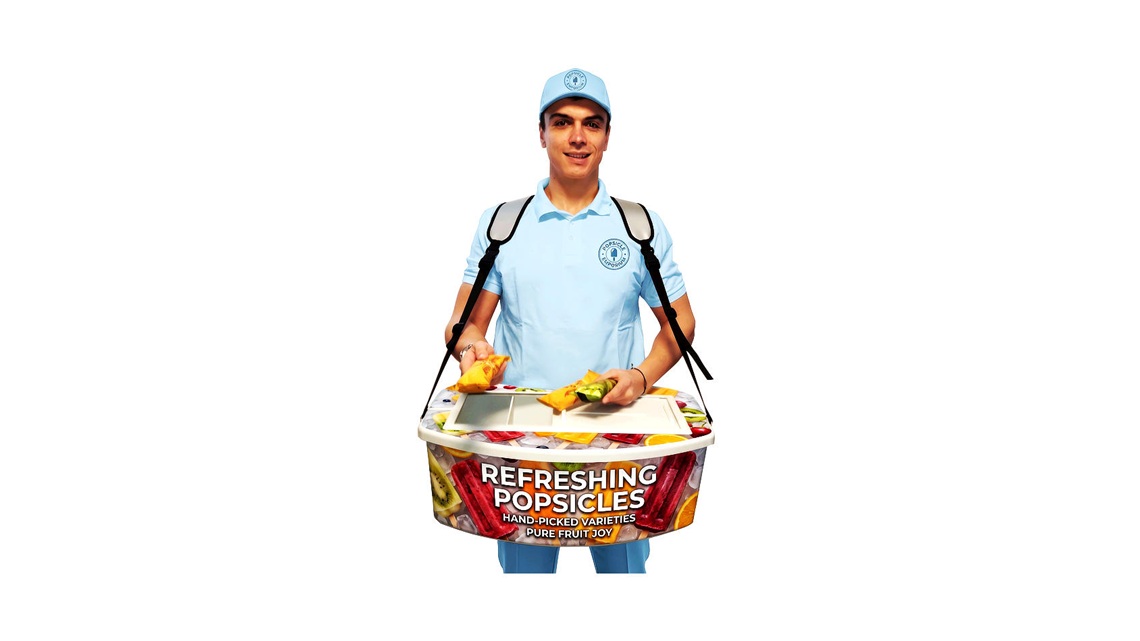
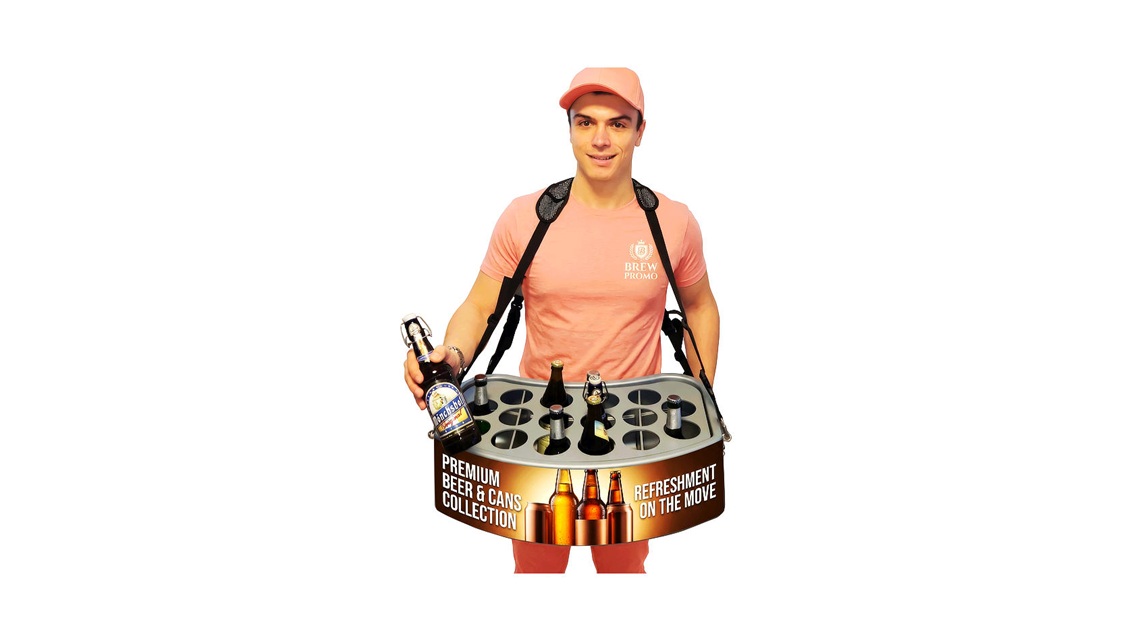
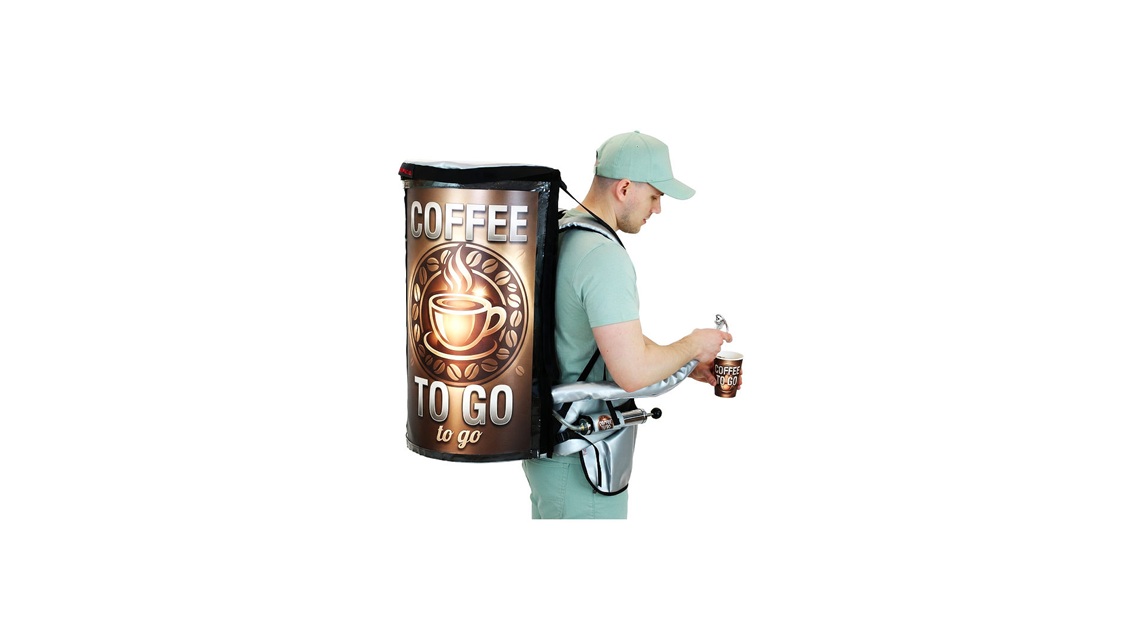
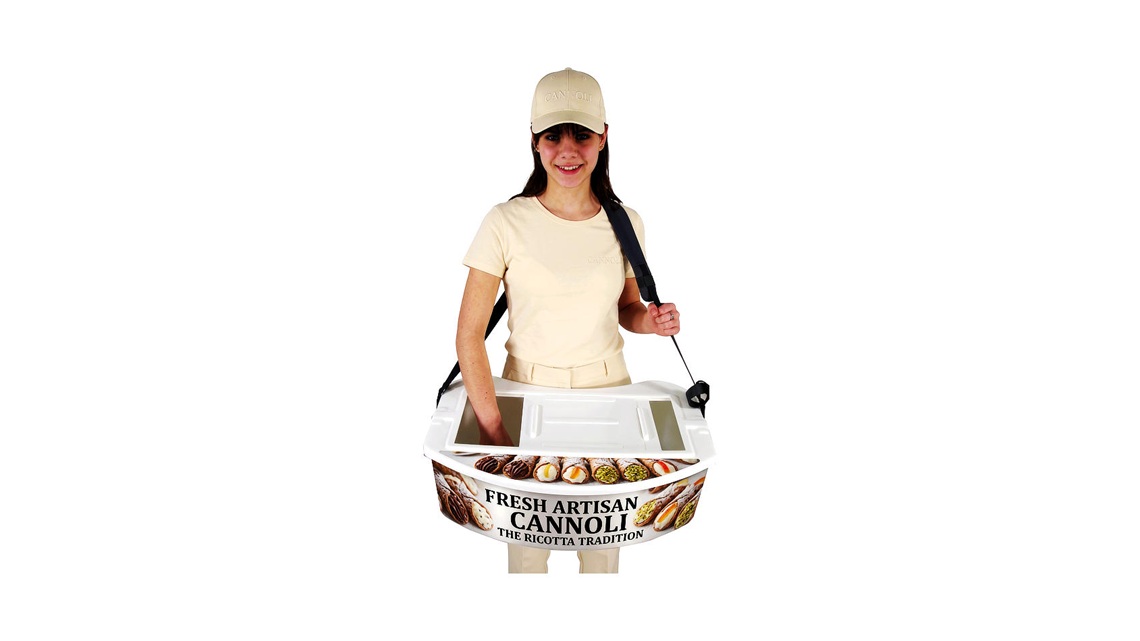
- Après-Ski Atmosphere:
- Immerse yourself in the après-ski ambiance, where the hawker's tray symbolizes shared moments, laughter, and the joy of a day well spent on the slopes.
- Our video captures the camaraderie that comes alive as skiers unwind with a cup of mulled wine in hand.
Festival Food Service FAQ for Hawker’s Tray Campaigns
What is the main planning lesson from the Hawker’s Tray video page?
The page connects mobile service with après-ski hospitality and a broad range of festival foods. The practical lesson is that the tray must be matched to the food format, not simply filled with whatever appears popular at an event.
Every menu item should be reviewed for weight, packaging, leakage, serving temperature and handover speed before it is assigned to a mobile route.
Which festival foods are mentioned on the page?
The page lists French fries, burgers, tacos, barbecue dishes, fried chicken, macaroni and cheese, vegan and vegetarian options, ice cream, pizza and sweet treats. These are examples of event-food categories rather than a confirmed standard menu for one tray configuration.
Some products may require closed containers, insulated holding, dividers or a different serving system. Suitability must be checked item by item.
Why is portion format more important than the recipe name?
A burger in a closed box behaves differently from an open burger on a paper tray. The same applies to fries, tacos and desserts.
Buyers should define the exact serving container, dimensions, filled weight and closure method. These details determine whether the product can be carried securely and handed over with one controlled movement.
Which foods are easiest to operate from a mobile tray?
Individually packed, stable and clearly identified products are usually simpler to manage than open dishes with loose toppings. Wrapped snacks, closed cups, boxed portions and sealed desserts reduce contact and accidental spillage.
Ease of service does not remove the need for temperature control, allergen information or local food-service permission.
Why do fries and fried chicken require special preparation?
Fried foods can release grease, steam and crumbs into the carrying area. Packaging should contain the product without becoming soft or leaking during the route.
The team should test how the food changes after the planned carrying time. A portion that leaves the kitchen crisp may no longer meet the intended quality standard after extended enclosed transport.
How should sauces be handled in mobile service?
Sauces should be sealed within the product packaging or supplied in closed individual portions. Open bottles, loose ramekins and unstable topping containers increase contamination and spill risk.
The service sequence should avoid balancing several sauce choices during a transaction. A limited, clearly labelled selection is easier to control in a crowd.
Can tacos or barbecue dishes be carried safely?
They can only be considered when the serving format is stable, closed and suitable for movement. Loose fillings, exposed sauces and projecting bones can make a portion unsuitable for front-carried service.
A practical walking test should include turning, stopping and removing the meal from the tray. If the packaging deforms or leaks, the menu design needs to change.
How should burgers and pizza slices be packaged?
The packaging should protect the food, remain easy to identify and allow one-handed removal. Boxes or sleeves must not catch on neighbouring portions or occupy more height than the lid permits.
Ventilation may be needed for hot food, but openings should not allow grease or toppings to escape. The final packaging should be tested at serving temperature.
What should be considered for macaroni and cheese or other spoon foods?
Spoon foods require a secure cup or bowl with a reliable lid. The utensil should be included without creating a sharp or loose object inside the tray.
Filled containers must remain upright while the operator walks. A divider or dedicated holder may be needed to prevent tipping and lid contamination.
How can vegan and vegetarian options be kept clearly separated?
Different products should use distinct labels, packaging colours or assigned compartments. Staff must know which item is which without opening the container.
Separation inside the tray does not automatically prevent cross-contact during preparation. The event operator remains responsible for kitchen procedures and accurate customer information.
How should allergen information be provided during a fast transaction?
Staff should have concise, approved product information available before service begins. Packaging labels, a small reference card or a digital system can support consistent answers.
Operators should not guess ingredients. When information is uncertain, the item should not be represented as allergen-free or suitable for a specific diet.
Can ice cream be combined with hot food in the same tray?
Hot and frozen products should not share one uncontrolled compartment. They have opposing temperature requirements and can reduce each other’s holding performance.
Separate trays or completely separated validated systems are the safer operational choice. The correct method depends on packaging, insulation and route duration.
How should mulled wine or another warm drink be integrated?
The video page refers to après-ski scenes with mulled wine. For real service, the drink must be held in closed, stable containers or supplied through a separately approved dispensing concept.
Spill prevention, serving temperature, age restrictions and local alcohol rules must be defined by the operator. The visual example is not a general authorisation for open hot-drink transport.
What portion count is practical for one mobile selling round?
The tray should carry enough portions for one planned round without creating excessive weight or long holding times. Sales expectations, refill distance and product shelf life all influence the starting quantity.
A smaller, faster-moving load often provides better control than a completely filled tray containing slow-selling menu items.
Why should menu choice be limited during peak periods?
A broad menu increases searching, explanations and payment time. During a short festival rush, a smaller selection can improve identification and reduce errors.
Additional varieties can be offered from a fixed point or in another team’s tray. Mobile service works best when every item has a defined position and price.
How should prices be displayed?
Prices should be readable before the customer starts the transaction. A clear front panel, lid display or approved menu card can reduce repeated questions.
The displayed price must match the payment system and any required tax treatment. Small text and frequently changing handwritten notes are difficult to use in moving crowds.
What is the best way to manage sold-out items?
Staff should remove or cover unavailable menu references and avoid promising stock that is not on the next refill. The team leader needs current information from the preparation area.
Substitutions should be offered only when the customer can clearly understand the difference in ingredients, size and price.
How should waste and returned food be handled?
Unsold food, damaged packaging and customer waste should never be mixed with clean reserve stock. The route plan needs a designated return point and separate waste containers.
Local food rules determine whether unsold portions can be reused, cooled again or must be discarded. The tray does not change those obligations.
What should a menu pilot record before a larger festival deployment?
The test should follow one complete preparation and selling cycle.
- Starting quantity and total loaded weight
- Time between loading and final handover
- Packaging damage, grease or leakage
- Product temperature and quality at return
- Average transaction and explanation time
- Most requested and least requested items
- Allergen or dietary questions raised by customers
- Waste, unsold stock and cleaning time
These records show whether the menu and tray layout work together under realistic conditions.
Which information is required for a festival-food hawker enquiry?
A useful request should describe the actual menu and service process.
- Food or drink category and exact packaging format
- Dimensions and filled weight of each portion
- Hot, chilled, frozen or ambient requirement
- Number of menu items and portions per round
- Need for dividers, holders, lid or side accessories
- Route length and location of the refill station
- Payment method, pricing display and branding
- Order quantity, destination and required date
These details allow the manufacturer to assess whether a standard Hawker’s Tray configuration is appropriate or whether another setup should be considered.
These food items not only satisfy hunger but also enhance the overall festival experience by providing delicious options that cater to diverse tastes and preferences.
Whether you’re a vendor or an attendee, hawking trays filled with these favorites make any festival more enjoyable!