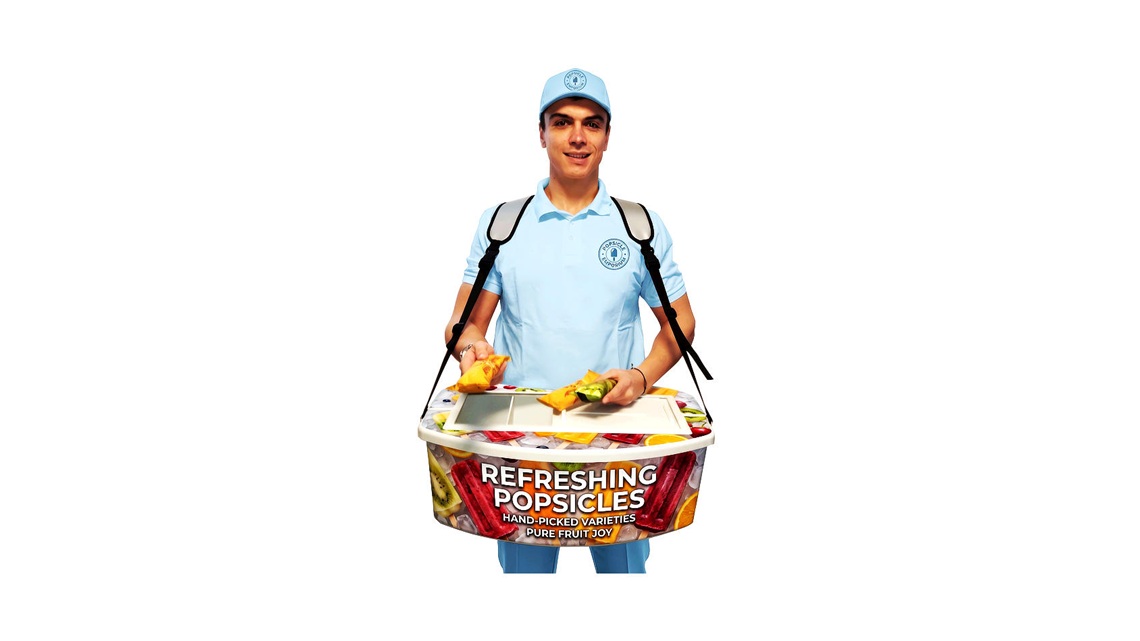
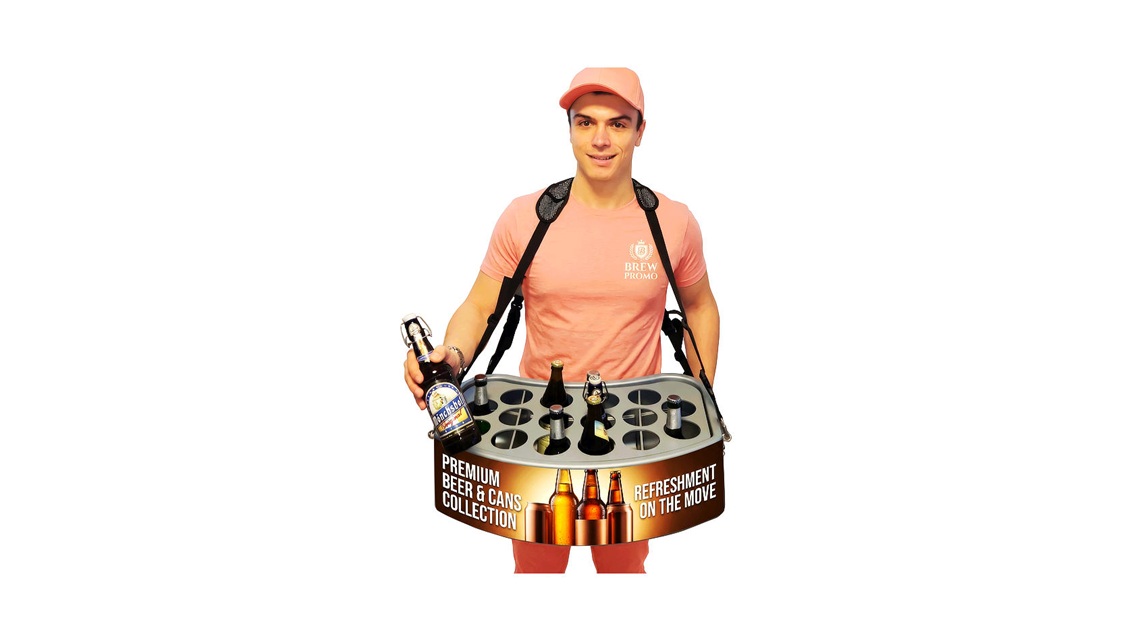
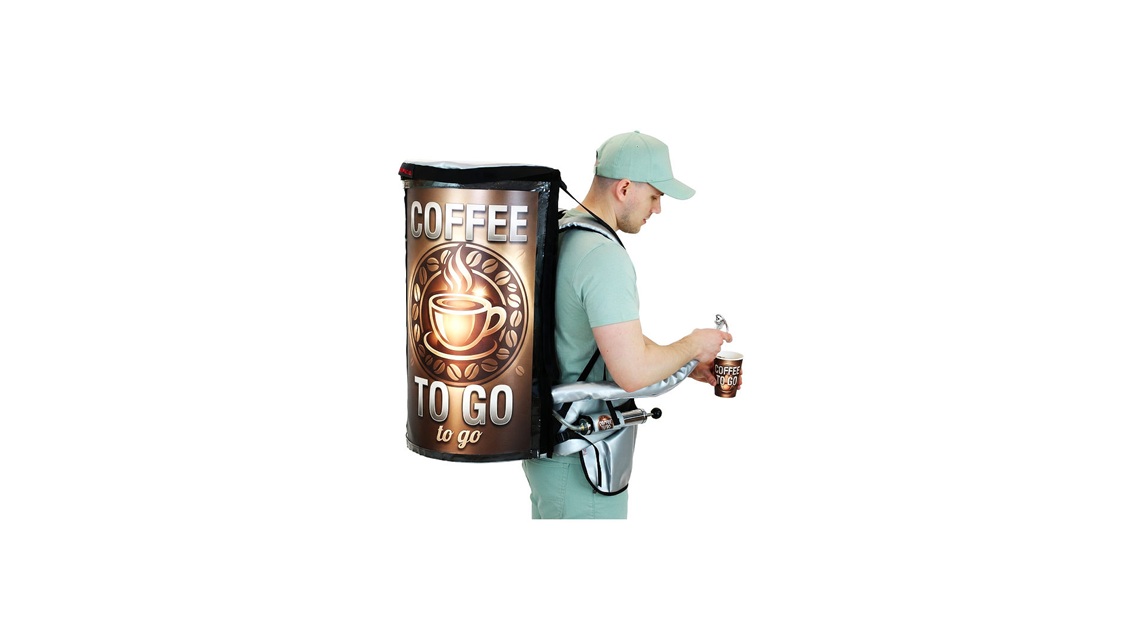
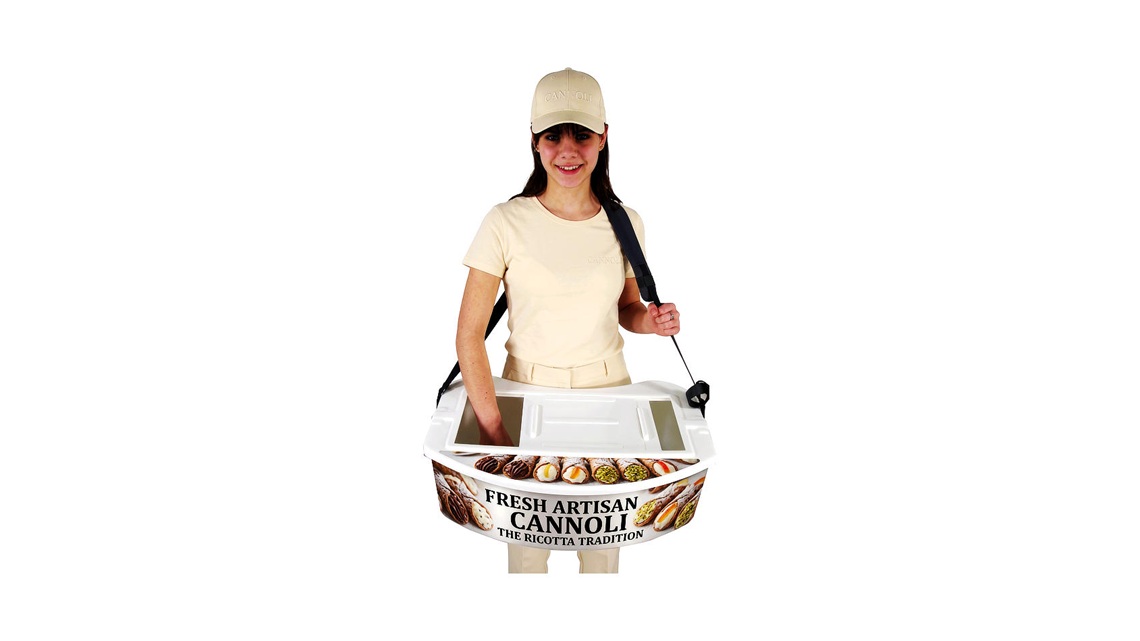
What operational problem is a mobile hawking tray intended to address?
A mobile tray can bring a limited assortment closer to customers instead of requiring every transaction to begin at a fixed kiosk. This may reduce walking distance for visitors and extend service into areas where permanent counters are unavailable.
The concept should be tested against the actual venue layout. It does not automatically remove queues or increase sales when routes, stock and payment processes are poorly planned.
How should a venue identify locations suitable for mobile service?
Useful zones are places with customer demand but limited access to a stationary point of sale. Examples can include seating sections, waiting areas, festival fields and circulation routes between programme locations.
Emergency exits, security corridors, narrow stairs and areas with restricted commercial activity must remain clear. The venue operator decides where mobile selling is permitted.
What is the difference between replacing a kiosk and supplementing one?
A replacement model expects the mobile team to provide the complete offer and payment process for a defined area. A supplementary model uses the tray for selected high-demand products while the fixed counter retains the full assortment.
Supplementary operation is usually easier to test because replenishment, complaints and complex orders can remain at the established service point.
How should the mobile assortment be selected?
The tray should carry products that are easy to identify, quick to hand over and suitable for the available compartment system. A small number of fast-moving items normally creates a clearer workflow than a broad catalogue.
Selection should be based on demand data, package dimensions, unit weight and permitted holding conditions. The most profitable item on paper may be unsuitable for repeated mobile handling.
How can mobile service reduce customer friction?
Friction is reduced when customers can see the offer, understand the price and complete payment without leaving their location. The operator must be able to recognise the requested product immediately.
Unclear pricing, weak network coverage or a slow search through the tray can create a new bottleneck. The complete transaction sequence should therefore be timed during a pilot.
What does a realistic service-zone capacity calculation include?
The calculation should combine expected demand, portions per tray, transaction time, walking time and replenishment distance. It should also account for breaks and periods when the operator cannot sell while moving between zones.
Nominal tray volume alone does not define capacity. Heavy products may limit the practical load before all available space is occupied.
How many mobile vendors are required for one event area?
Staffing depends on customer density, route length, product mix and the duration of demand peaks. One team may cover a compact section, while a larger open-air area may need several coordinated routes.
The starting ratio should be treated as a pilot assumption. Transaction and replenishment records provide a better basis for later events than attendance figures alone.
Why should routes have fixed starting and return points?
Defined points make stock counting, staff location and replenishment easier to control. They also provide a place to inspect equipment and resolve payment or product issues.
Free roaming without a route plan can leave some customer areas overserved and others unattended. Supervisors need to know which zone each operator is responsible for.
Where should an mPOS terminal sit within the selling sequence?
The terminal should have a secure, reachable position and remain separate from liquids, food residue and loose stock. The operator needs a consistent order for product selection, payment confirmation and handover.
Device weight, battery capacity and connectivity should be included in the field test. Mobile equipment does not guarantee that the venue network can process every transaction.
What backup procedure is needed for mPOS failure?
The organiser should define what happens when a terminal loses power, network access or account authorisation. Staff need a clear instruction on whether to pause sales, move to another device or return to the service point.
Improvised offline transactions can create financial and stock discrepancies. The approved fallback method should be part of the staff briefing.
How are stock and payment records reconciled after a route?
Each tray starts with a recorded quantity by product. Returned goods, damaged items, transfers and completed payments are then compared at the end of the round.
Differences should be investigated while the route information is still available. Combining several uncounted rounds makes later reconciliation less reliable.
Why should product transfers between operators be limited?
Transfers can solve a temporary shortage, but they complicate stock ownership and balance. Every movement should identify the sending tray, receiving tray, product and quantity.
Repeated transfers may indicate that the original assortment or zone allocation is wrong. The cause should be corrected rather than relying on constant informal exchanges.
How should replenishment be organised during demand peaks?
Replacement stock should be pre-counted and arranged in the same order as the tray. This allows the operator to exchange or reload the assortment without rebuilding the layout.
The replenishment point must have enough capacity to support all active teams. Adding more vendors is ineffective when the stock station cannot prepare their next rounds quickly.
What role does the advertising surface play in mobile service?
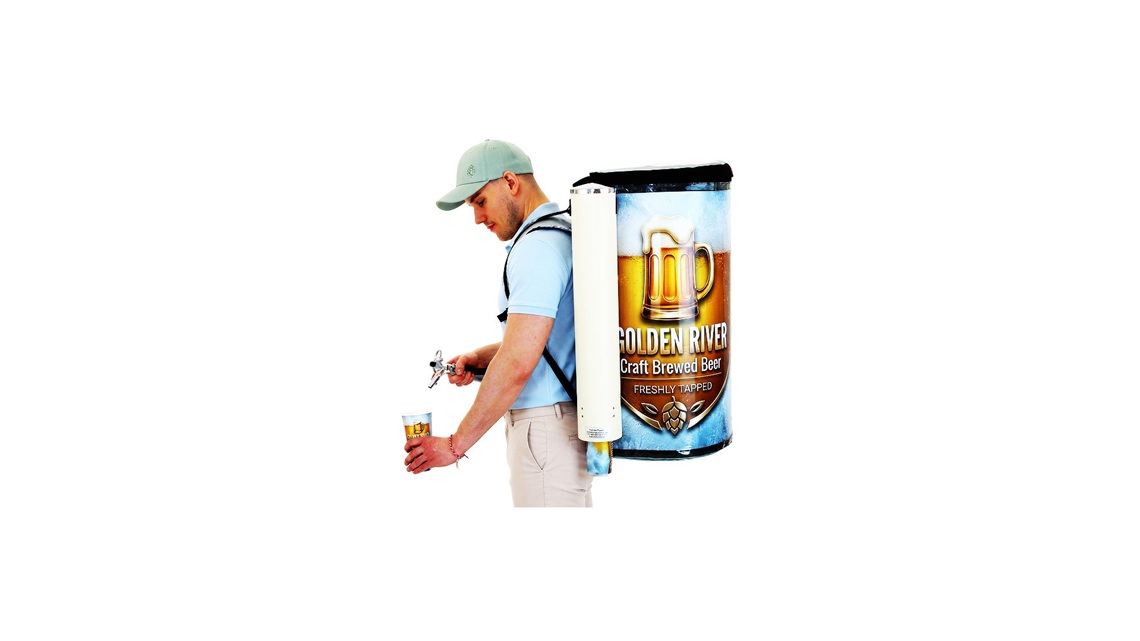
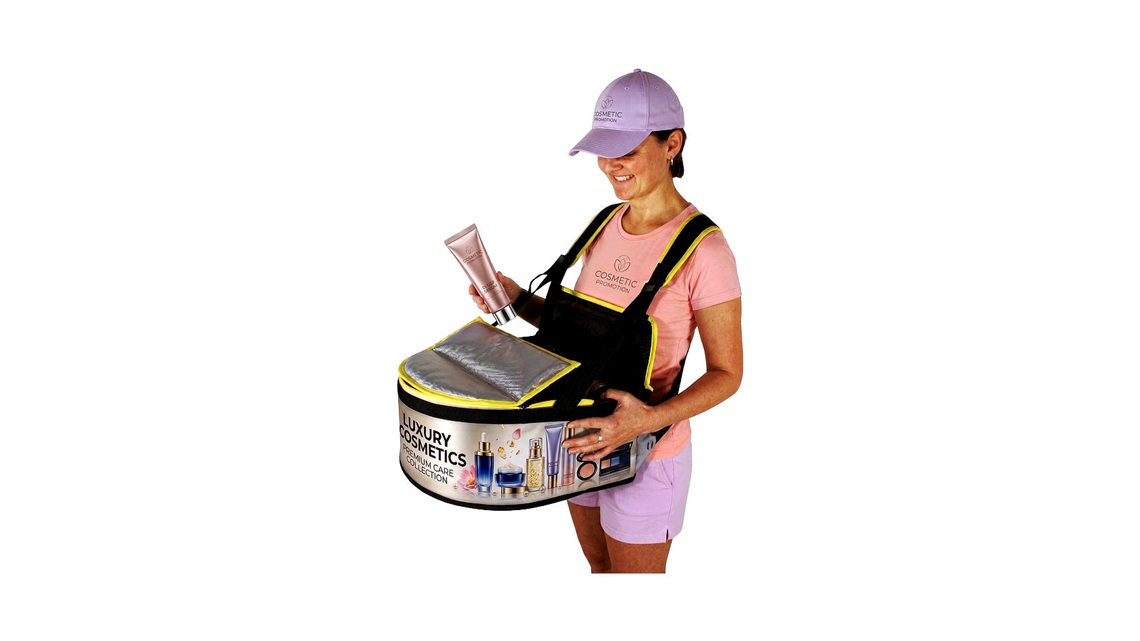
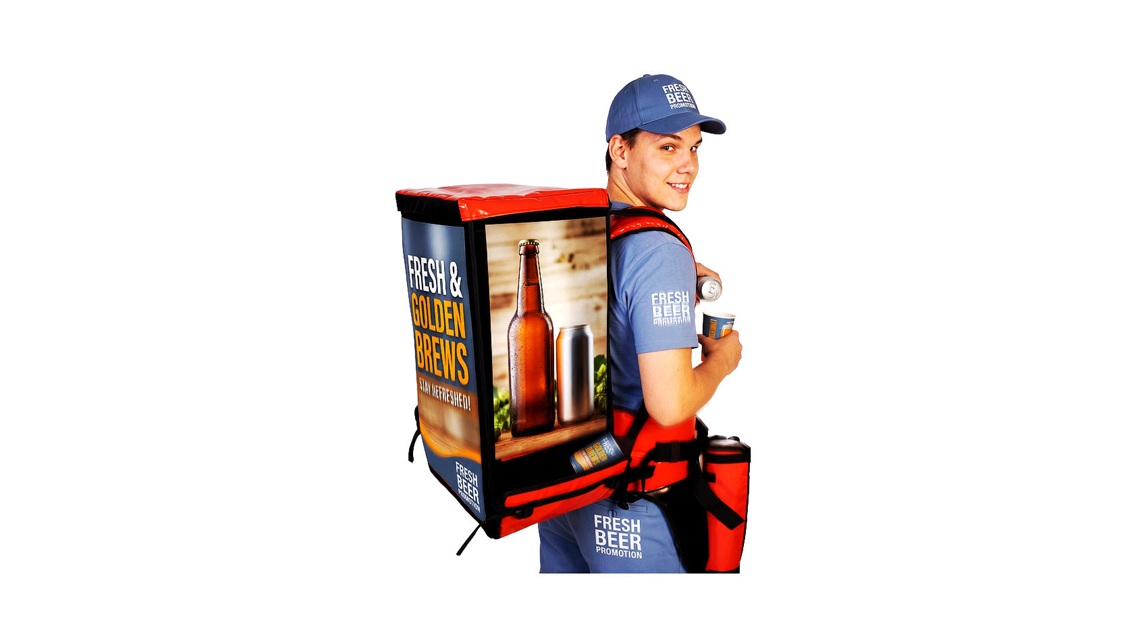
The front-facing area can identify the brand, product group or current offer before the operator speaks. A concise message helps customers decide while the vendor approaches.
The graphic should support the transaction rather than compete with it. Dense text, several price systems or unrelated campaign messages can slow recognition.
How should interchangeable graphics be managed across several campaigns?
Each insert should be labelled by model, campaign and version. The storage process should keep current artwork separate from expired pricing or previous brand material.
Before deployment, staff should confirm that every tray carries the approved version. An interchangeable pocket is only useful when version control is maintained.
What should a mobile vendor say during the first customer contact?
A short service script can identify the product category and invite a clear response. It should be easy to repeat without making unverified health, quality or promotional claims.
Operators also need approved answers for price, ingredients, payment methods and sold-out items. Complex questions should be referred to the fixed service point or supervisor.
How can campaign performance be separated from attractive video footage?
A successful-looking scene may show interaction but not financial or operational performance. Evaluation should use recorded transactions, products sold, route time, stock returns and customer requests.
Video can support observation of movement and communication. It should not be used as the sole evidence for revenue growth or customer satisfaction.
Which metrics are useful in a mobile vending pilot?
The pilot should collect figures that explain both demand and operational effort.
- Transactions and units sold by route
- Revenue by product and selling period
- Average transaction duration
- Walking and non-selling time
- Frequency and duration of replenishment
- Payment failures or cancelled transactions
- Returned, damaged and transferred stock
- Staff feedback on load and workflow
These records support decisions about staffing, assortment and route design for the next deployment.
How should the economic result of a mobile route be calculated?
Revenue should be compared with product cost, staffing time, payment fees, equipment preparation, cleaning, replenishment and any event-specific charges. The purchase price of the tray is only one part of the calculation.
A route can generate sales and still be inefficient if walking and restocking consume most of the shift. The evaluation should compare mobile service with the available stationary alternative.
When should a mobile selling concept be reduced or stopped?
The organiser should adjust the operation when routes remain blocked, payment systems repeatedly fail, products do not sell or the practical load is unsuitable for staff. Safety concerns require immediate action.
Stopping an ineffective route is part of responsible event management. A tray should not remain in operation merely because it was included in the original campaign plan.
Which information is needed for a mobile POS hawking-tray quotation?
A useful enquiry should explain the proposed business process as well as the physical products.
- Product type, packaging dimensions and unit weight
- Number of products planned for one round
- Venue type, selling zones and route restrictions
- Expected demand periods and replenishment distance
- Cashless terminal or other payment requirements
- Advertising format and campaign change frequency
- Number of operators and planned tray units
- Delivery destination and required readiness date
These details allow the manufacturer to assess the equipment configuration while the organiser remains responsible for staffing, payment systems and venue procedures.