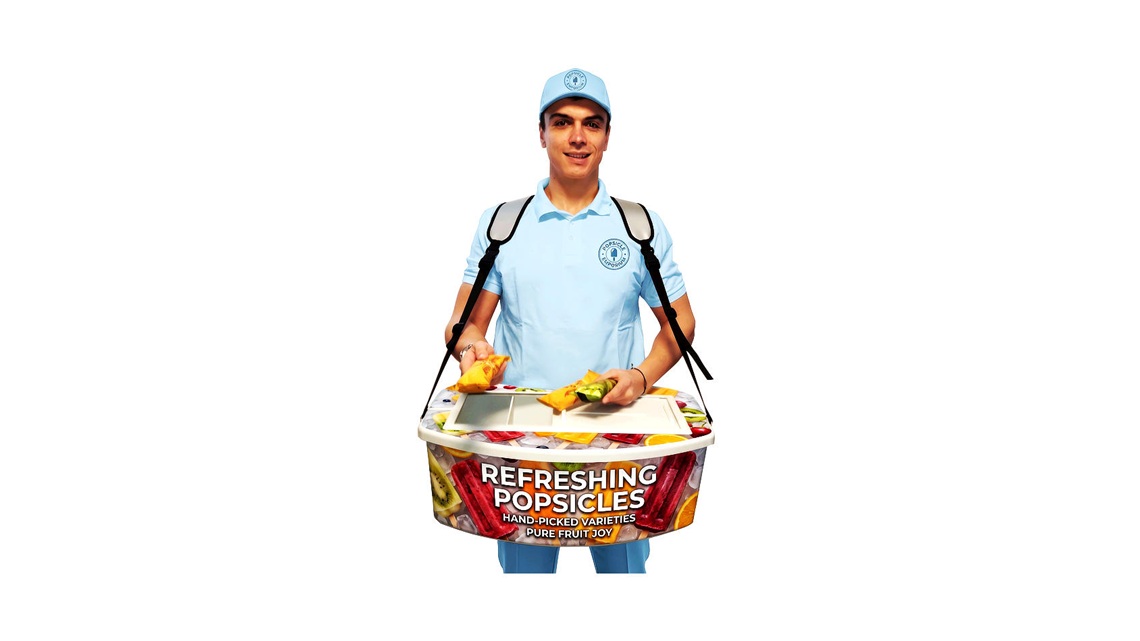
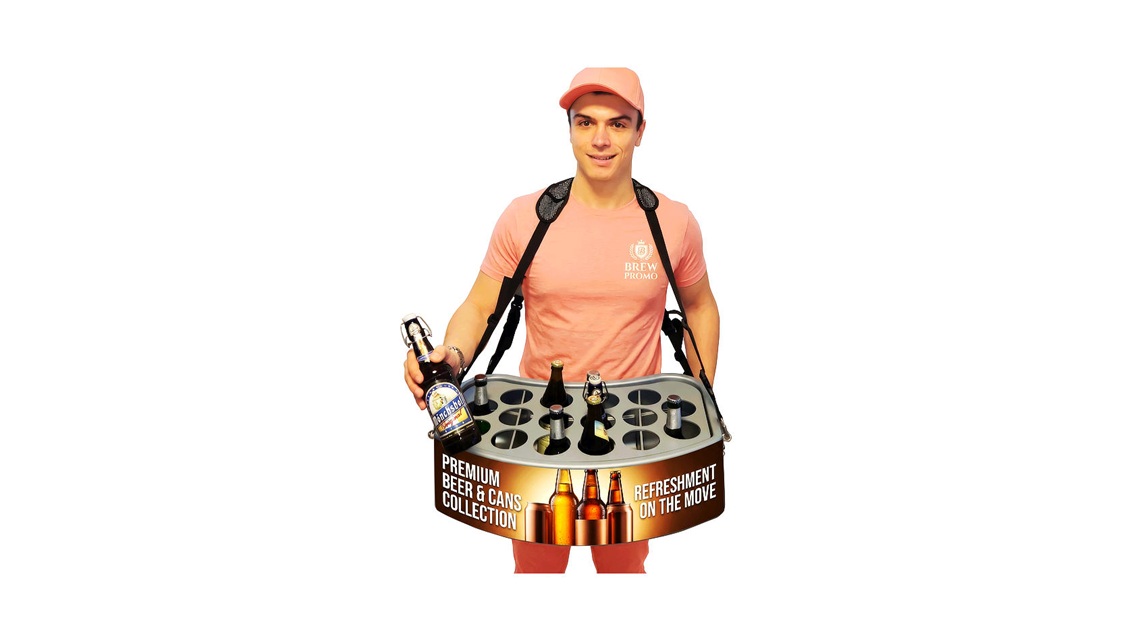
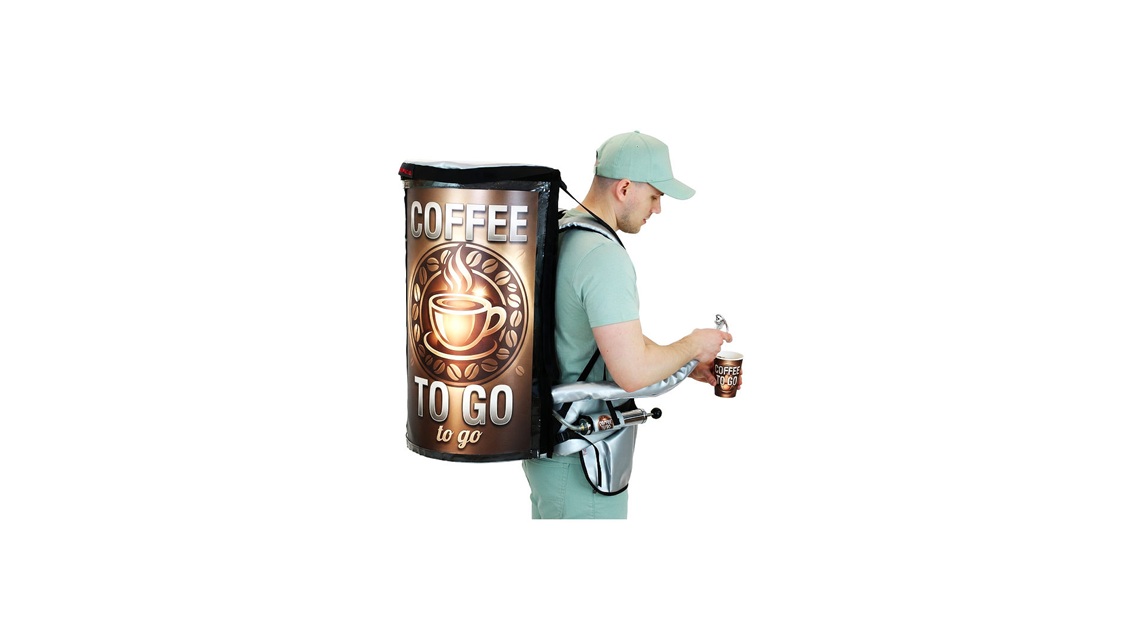
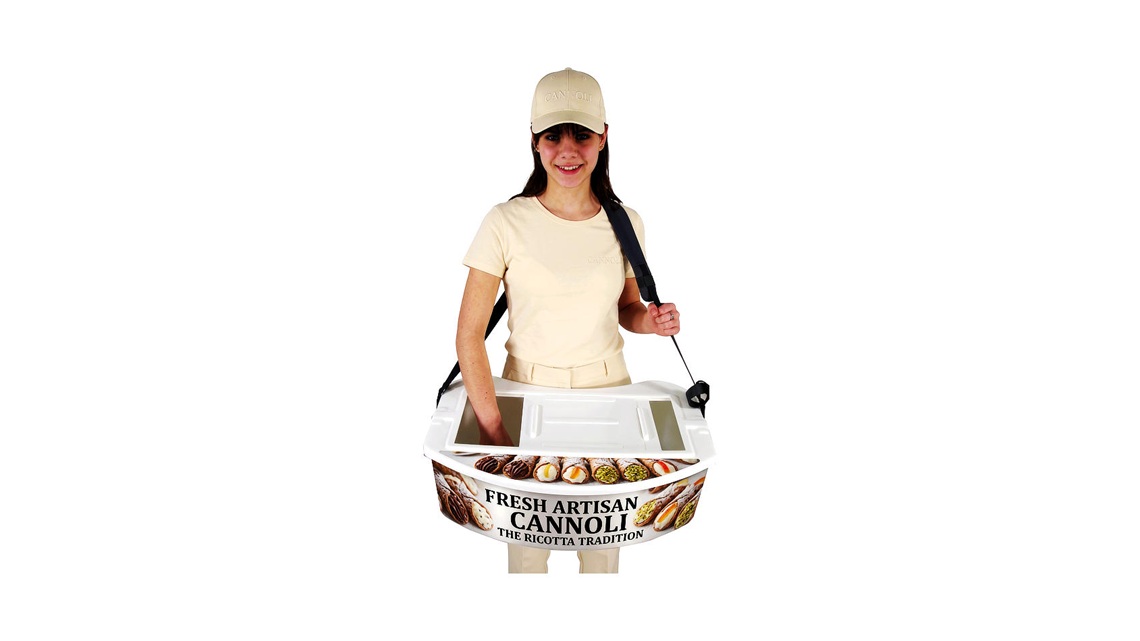
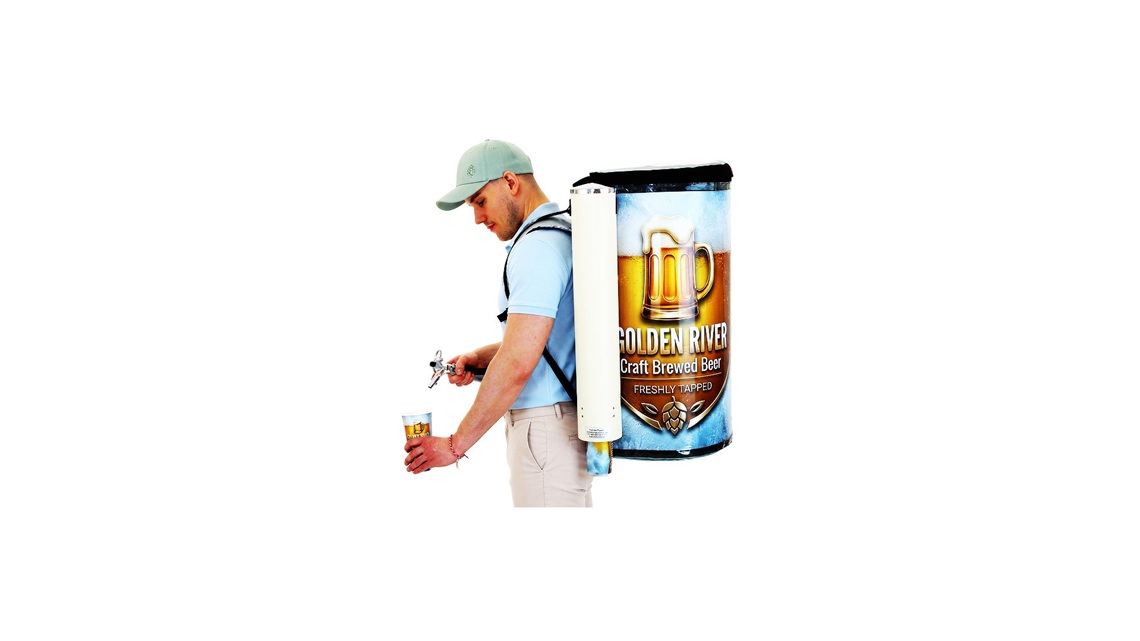
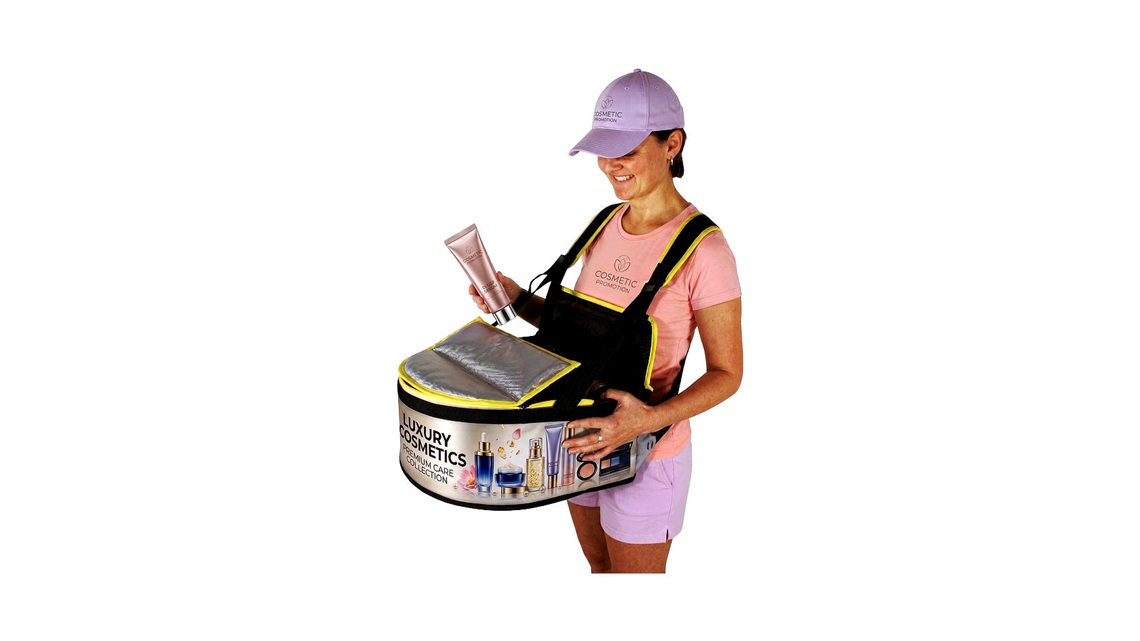
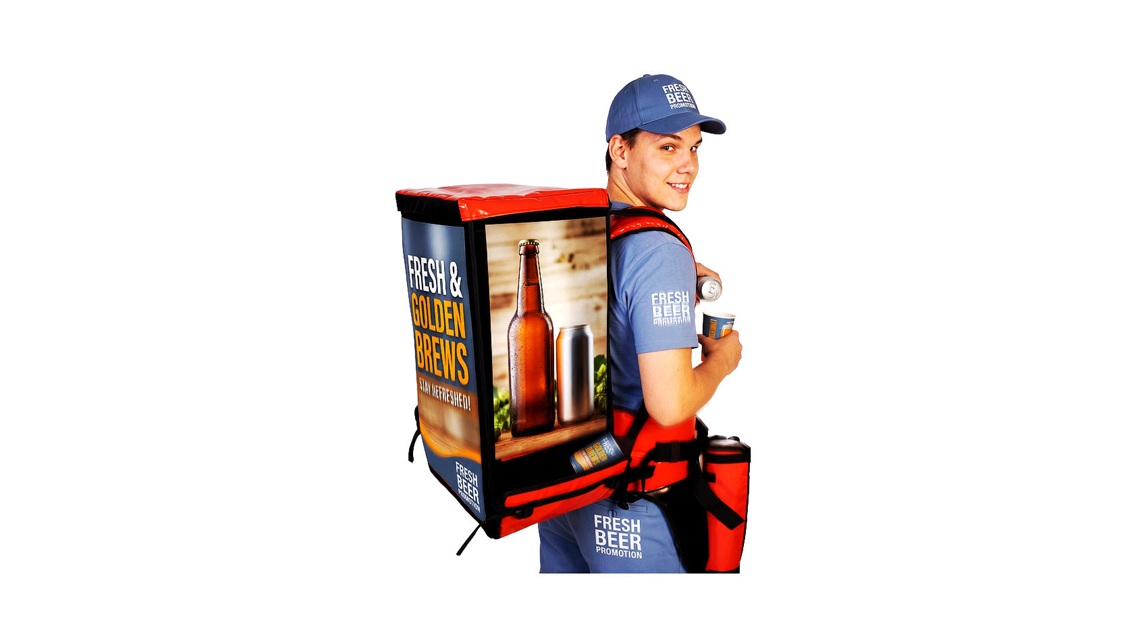
- Join us in celebrating winter on the slopes of Canada with our Mulled Wine hawking tray Ski Adventure video.
- It's more than a beverage;
- it's a toast to the thrill of the mountains and the warmth of shared moments. Watch now and raise a cup to snowy escapades!
Winter Event FAQ for Hawking Tray Video Evaluation
What does the Canada ski footage contribute to project planning?
The footage provides a visual example of mobile beverage service in a winter setting. It can help planners understand how a front-carried tray may appear on slopes, at ski events or in other cold outdoor environments.
It should be treated as a campaign reference rather than a complete technical approval. Product temperature, route safety, local rules and the exact tray configuration still require separate confirmation.
Which winter conditions should be documented before selecting a route?
The operating plan should record surface condition, gradient, wind exposure, temperature, lighting and distance to the refill point. Packed snow, ice and wet entrance areas create different risks from a dry indoor concourse.
A route that appears simple on camera may become unsuitable when spectators, equipment or changing weather reduce the available walking space.
Why should staff test the tray while wearing winter clothing?
Jackets, gloves and layered clothing change the fit of shoulder straps and the operator’s reach. A harness adjusted over light indoor clothing may sit differently once the employee is fully dressed for outdoor service.
The fitting test should use the planned clothing and realistic load. Staff must still be able to open the tray, remove products and release the harness safely.
How do gloves affect product handover?
Thick gloves can reduce grip and make small closures, payment devices or individual cups harder to handle. The team should test the complete handover sequence before the event starts.
Gloves selected for warmth may not be suitable for food contact or handling wet containers. The operator’s hygiene and safety procedure must define the appropriate solution.
What additional risk arises from hot beverages in a moving tray?
Hot liquids can cause burns if cups leak, lids loosen or the tray tilts. Containers must remain closed and stable while the employee walks, stops and turns.
The video’s mulled-wine theme does not by itself confirm a specific serving system. Beverage containers, permitted temperature and the chosen insert must be approved for the real project.
How should cup stability be tested for a winter campaign?
The test should use the actual cup, lid and fill level. Staff should walk the intended route, turn, stop and remove one serving without neighbouring cups shifting.
Cold weather can also make some plastics and seals behave differently. A successful indoor demonstration is not enough for an exposed outdoor event.
Why is a nearby refill station especially important in winter?
Short refill cycles reduce the amount carried and limit the time products spend away from controlled preparation. They also give staff regular opportunities to warm up and inspect the equipment.
The refill point should be sheltered, well lit and accessible without crossing unsafe public routes. Reserve stock must remain under the required temperature and hygiene controls.
How should wind exposure influence the selling position?
Strong wind can affect balance, lid movement, lightweight packaging and printed advertising. Open ridges, lift exits and building corners may be more exposed than the rest of the venue.
The service point should allow the operator to stand securely without turning the tray into the wind. Loose inserts and promotional materials require separate restraint.
What should be checked when the route includes snow or ice?
Footwear, walking speed, gradient and stopping points must be reviewed before any loaded trial. The operator should never be expected to maintain a sales pace that conflicts with safe footing.
If the surface becomes slippery, the route should be shortened, redirected or suspended. Mobile selling equipment does not justify continued operation under unsafe conditions.
How can a video reveal whether visibility is adequate?
The footage should show whether the wearer can see the ground immediately ahead and identify changes in surface level. The front edge of the tray must not hide steps, curbs or obstacles.
Camera angles from the side are not enough. A wearer-perspective check is needed for the actual body height and loading position.
Why should the video include putting the tray on and taking it off?
Winter clothing and limited space can make fitting more difficult than normal. Showing the complete sequence helps planners identify whether assistance or a dedicated staging area is required.
The tray should be removed only on stable ground. Staff need a clear method for setting it down without spilling products or blocking public movement.
How should warm-up breaks be incorporated into the operating plan?
Break timing should reflect weather, load, route difficulty and staff feedback. A fixed selling target should not override signs of cold stress, fatigue or reduced grip.
Rotation between mobile service, replenishment and indoor tasks can reduce continuous exposure. The venue remains responsible for occupational safety and staff welfare.
What does the video not establish about beverage temperature?
A short scene cannot prove how long a beverage remains within a required serving range. It also cannot confirm that every cup or container is suitable for that temperature.
The operator must validate starting temperature, route duration and condition at return. Any legal food-service limits should be checked independently.
How should payment be organised when operators wear gloves?
Cashless terminals should be positioned so they can be used without removing the tray or balancing loose items. Buttons, touchscreens and receipt handling must be tested with the selected gloves.
Low temperature can affect batteries. Devices should start fully charged and have an approved backup procedure.
Which camera scenes provide useful operational evidence?
A winter campaign video should record more than attractive landscape shots.
- Harness adjustment over full outdoor clothing
- Walking on the intended surface with a realistic load
- Opening, product removal and secure closing
- Customer handover while both people remain stable
- Refilling at the designated stock point
- Tray removal and safe placement during a break
- Operation in shade, wind and changing light
- Condition of products at the end of a route
These scenes help technical reviewers separate usable evidence from purely promotional footage.
How should footage from different weather conditions be compared?
Each clip should be labelled with temperature, wind, route condition, starting load and approximate duration. Without this context, two scenes cannot be compared meaningfully.
A calm sunny demonstration should not be used to predict performance in snowfall or strong wind. The more demanding condition should guide the safety margin.
What permissions may be required for filming at a ski venue?
The organiser or site operator may control commercial activity, filming, brand placement and access to lifts or restricted areas. Permission should be obtained before staff, products and camera equipment arrive.
People appearing clearly in promotional footage may also require consent. Local privacy, alcohol and food-service rules remain outside the product manufacturer’s control.
How should claims about atmosphere and customer reaction be handled?
Smiles and positive interactions can illustrate the campaign concept, but they do not prove a guaranteed sales increase or brand effect. Selected scenes represent only the recorded moment.
Performance claims should rely on measured transactions, samples distributed, route data or post-event research rather than interpretation of edited footage.
Which field records are useful after a cold-weather trial?
The pilot should document both equipment performance and staff conditions.
- Starting and returned product quantity
- Total loaded weight and route duration
- Surface condition and weather during the test
- Number of stops, handovers and refill cycles
- Product leakage, shifting or temperature concerns
- Payment-device interruptions
- Staff comments on grip, visibility and strap fit
- Reasons for shortening or stopping the route
The results can be used to define a safer load, route and rotation schedule.
Which project details should accompany a winter hawking-tray enquiry?
A useful request should explain the beverage, container and environment rather than refer only to the ski video.
- Product type, serving temperature and package dimensions
- Closed bottle, can, cup or other container format
- Planned quantity and total product weight per round
- Expected temperature, wind and surface conditions
- Route gradient and distance to the refill point
- Staff clothing and payment equipment
- Branding requirements and event permissions
- Number of trays, destination and required date
These details allow the manufacturer to assess whether an existing configuration is appropriate and which points need a separate practical test.
- With Storekonzept's Rocketpacks tray, you can enhance your presence at any folk festival and create memorable experiences for your customers.
- Our trays not only serve a practical purpose but also add a touch of flair to your vending setup.
- ← Back to Tray Hawker configuration